Understanding the term “Indigenous” is essential in today’s conversations about culture, history, rights, and identity. You’ll hear it in documentaries, political discussions, environmental talk, social media, academic texts, global news, and even everyday conversations. But what does Indigenous truly mean—and why does it matter?
This article breaks down the meaning of Indigenous, its history, its modern usage, and the cultural significance behind the term. Everything is explained in simple language with accurate context so readers from any background can understand.
What Does “Indigenous” Mean?
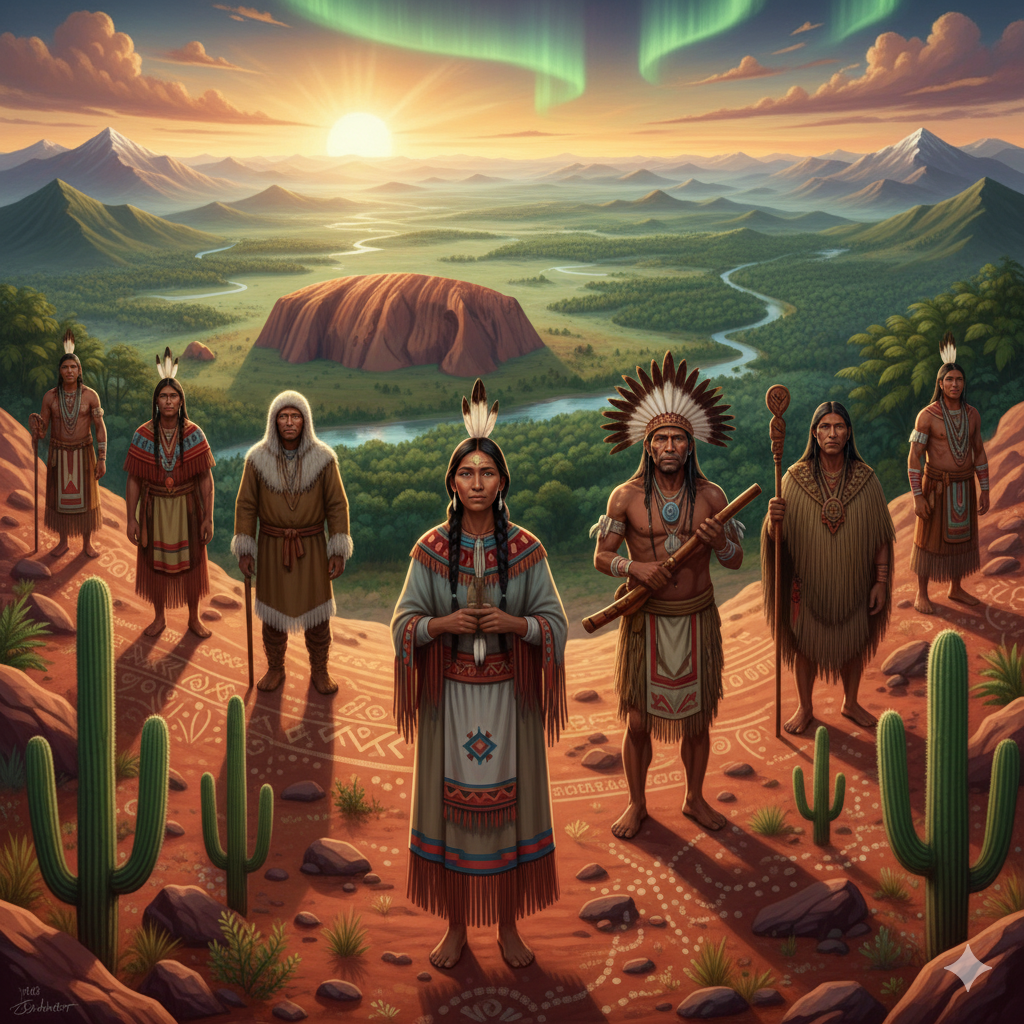
The word Indigenous refers to the first or original people living in a region before settlers, colonizers, or other external groups arrived. These groups usually have:
distinct cultural practices
their own languages and traditions
deep connection to their land
historical continuity within a geographic area
social, political, and economic systems developed long before colonization
Indigenous people are not defined by race but by historical ties, cultural identity, and ancestral presence in a region.
Key Characteristics of Indigenous Peoples
- First inhabitants of a region
- Unique cultural practices not taken from outside cultures
- Strong spiritual or identity-based connection to the land
- Traditional knowledge systems preserved through generations
- Self-identification as Indigenous
- Recognition by their community or tribe
The United Nations emphasizes that Indigenous peoples must be able to define themselves rather than being labeled solely by governments.
Etymology: Where the Word Comes From
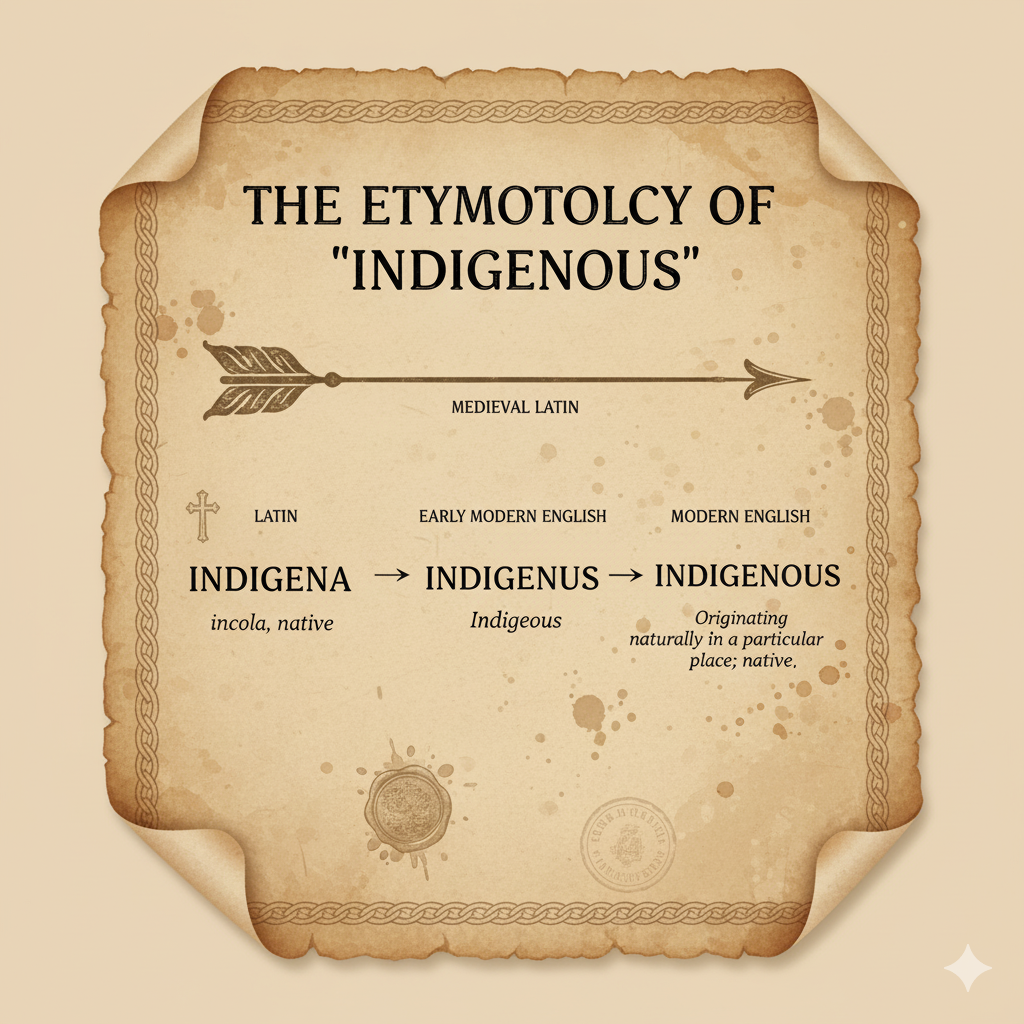
The term comes from the Latin word “indigena,” meaning:
“native to a place”
“sprung from the land”
Over time, the term evolved as scholars, explorers, and governments used it, often inaccurately. Today, the modern use of “Indigenous” is rooted in self-identification, rights, and cultural recognition, not colonial labeling.
Indigenous vs. Native vs. Aboriginal: What’s the Difference?
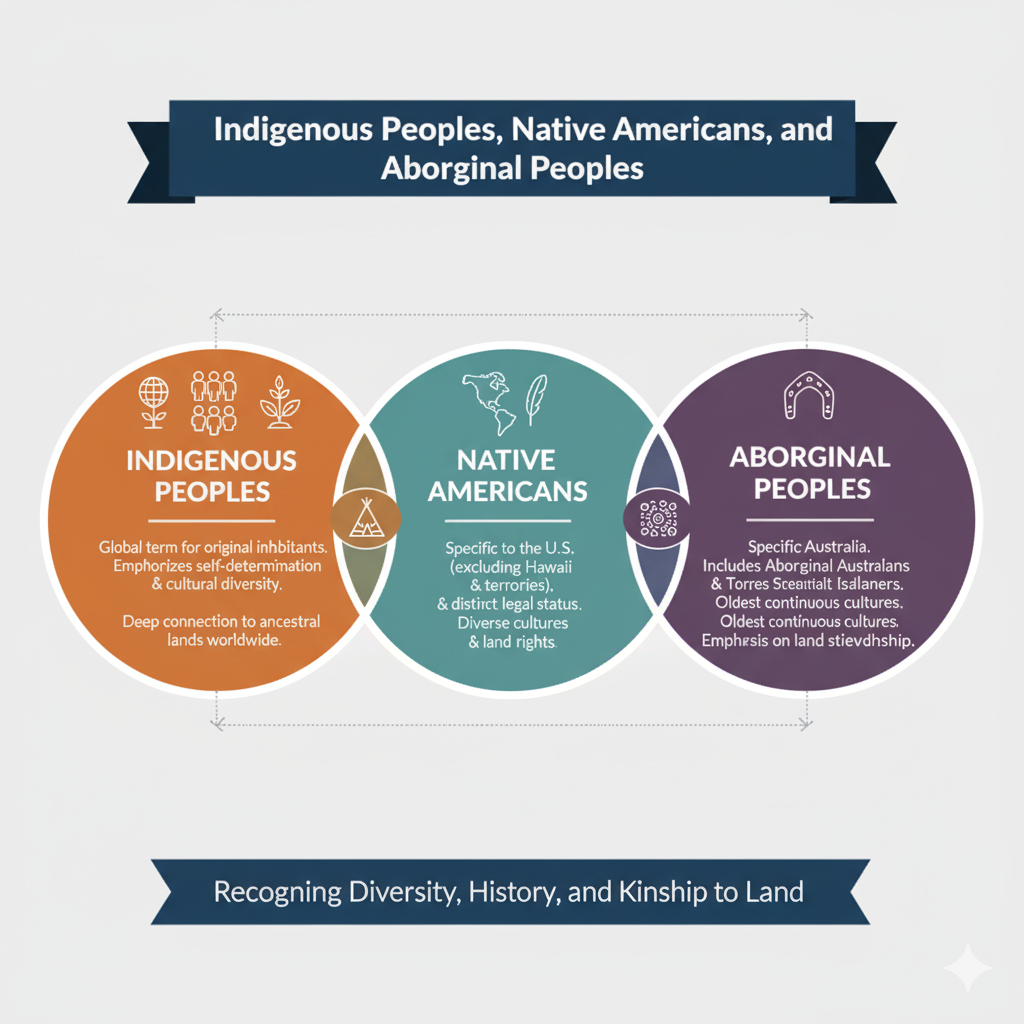
These terms are often confused, but they are not always interchangeable.
Indigenous
Used globally to describe original peoples of a region.
Example: Indigenous peoples of Australia, Canada, America, etc.
Native
Can refer to:
a person born in a place (native of France), OR
original peoples (Native Americans)
The meaning depends on context.
Aboriginal
Used mainly in:
- Australia
- Canada (less common now)
- Academic or legal contexts
“Aboriginal” is slowly being replaced with Indigenous or community-specific names.
Which Term Is Correct?
The safest and most respectful approach is:
Use the exact name of the community whenever possible
(e.g., Māori, Sami, Navajo, Cree, Punjabi First Nations, Ainu)
“Indigenous” is the preferred global umbrella term.
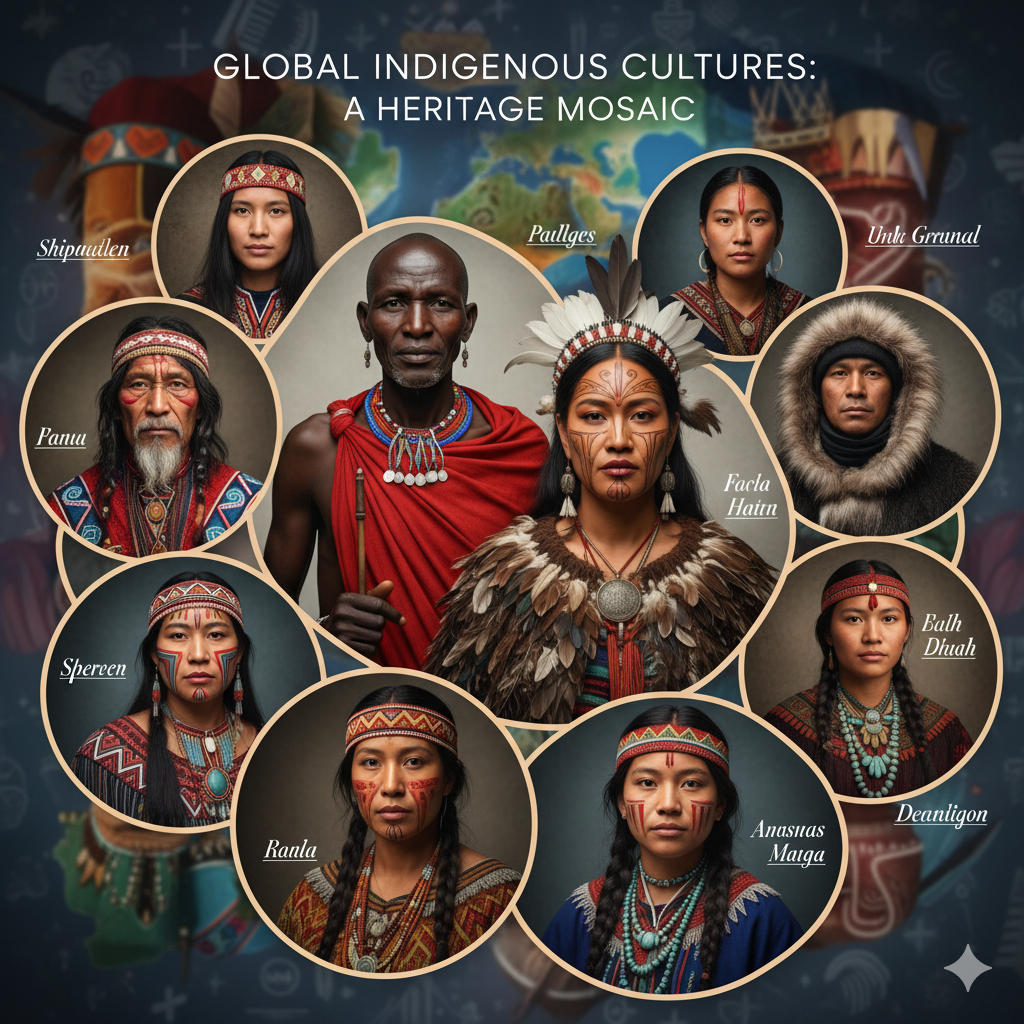
Who Are Considered Indigenous Peoples?
Worldwide, there are more than 476 million Indigenous people across 90+ countries. They belong to thousands of tribes, nations, and ethnic groups.
Examples of Major Indigenous Groups
In North America:
Navajo
Cherokee
Inuit
Hopi
Cree
Sioux (Lakota, Dakota)
In South America:
- Quechua
- Mapuche
- Aymara
- Yanomami
- Guaraní
In Australia:
- Aboriginal Australians
- Torres Strait Islanders
In Asia:
- Ainu (Japan)
- Hmong (Southeast Asia)
- Various Indigenous tribes in India, Indonesia & the Philippines
In Africa:
- Maasai
- San (Bushmen)
- Berbers
- Amazigh
In Europe:
- Sámi (Northern Europe)
Each group has unique languages, histories, and cultural systems.
Why the Term “Indigenous” Matters Today
Indigenous is more than just a word—it represents identity, rights, survival, and respect.
Cultural Survival
Many Indigenous cultures were suppressed or banned during colonization. Using the correct term acknowledges their efforts to preserve heritage.
Legal & Political Rights
The United Nations Declaration on the Rights of Indigenous Peoples (UNDRIP) protects rights related to:
land
culture
self-governance
traditions
natural resources
Environmental Knowledge
Indigenous communities often have the deepest understanding of the land and ecosystems.
Respect & Recognition
Using the term correctly helps:
- reduce stereotypes
- support cultural preservation
- promote historical accuracy
How “Indigenous” Is Used in Sentences
Here are common examples showing real-life usage:
“The Indigenous peoples of the region have lived there for thousands of years.”
“Indigenous languages hold a wealth of cultural knowledge.”
“Many countries now recognize Indigenous rights through federal laws.”
“She is researching Indigenous farming practices.”
“This festival celebrates Indigenous art and traditions.”
Common Misconceptions About the Word
Misconception: Indigenous = Primitive
Incorrect. Indigenous cultures have complex systems of governance, science, farming, architecture, and medicine.
Misconception: All Indigenous peoples look the same
Identity is cultural, not racial.
Misconception: Indigenous people no longer exist
False. Indigenous communities are vibrant, modern, and influential worldwide.
Misconception: Indigenous is an offensive term
No—when used respectfully. It is official in UN, academic, and political contexts.
Why Indigenous Identity Is Self-Determined
A person is not Indigenous simply because they lived in a region for a long time.
Indigenous identity is based on:
Self-identification
A person must identify as part of an Indigenous group.
Community acceptance
The community or tribe must recognize the person as a member.
Cultural continuity
Shared traditions, history, or ancestral lineage.
Governments cannot define Indigenous identity without community involvement.
Indigenous Culture: What It Includes
Indigenous cultures include:
Languages
There are more than 2,500 Indigenous languages, many at risk of disappearing.
Oral Traditions
Stories, songs, poetry, and wisdom passed through generations.
Spiritual beliefs
Often based on nature, ancestors, or land.
Family and community systems
Strong emphasis on collective responsibility and elders.
Food, clothing & ceremonies
Each culture has unique traditions tied to seasons, environment, and history.
Indigenous and Land Rights
Indigenous peoples have unique legal and spiritual connections to land.
Traditional Territory
Land used by ancestors for thousands of years.
Sacred Sites
Places with spiritual or cultural importance.
Resource Rights
Includes the right to:
hunt
fish
farm
use natural materials
protect the environment
The struggle for land rights continues in many countries due to mining, deforestation, and development.
Why Indigenous Knowledge Is Valuable Today
Indigenous knowledge is crucial in:
Climate change solutions
Sustainable farming, water conservation, and forest protection.
Medicine
Many modern medicines originate from Indigenous plant knowledge.
Biodiversity
Indigenous communities protect 80% of Earth’s remaining biodiversity.
Indigenous Peoples in Modern Society
Indigenous people continue to contribute in:
politics
medicine
science
arts
sports
environmental activism
global policymaking
They are not “historical”—they are shaping the future.
Respectful Language When Referring to Indigenous Peoples
Preferred
Indigenous peoples
Indigenous communities
Specific tribal names (Navajo, Sámi, Ainu, Māori)
Avoid
- Outdated colonial terms
- Labels that generalize or stereotype
Always prioritize the name a community chooses for itself.
Conclusion
The term Indigenous represents far more than ancestry—it represents culture, land, identity, knowledge, and survival. Using the term correctly honors the original peoples of the world and acknowledges their rich traditions, resilience, and contributions to global society.
Understanding what Indigenous means isn’t just vocabulary—it’s a step toward respect, inclusivity, and historical accuracy.

David is the creative mind behind jokes Crafter, a hub for clever jokes, witty wordplay, and laugh-out-loud content. With a passion for humor and a knack for crafting the perfect punchline, David brings smiles to readers across the globe. When he's not writing, he's probably thinking up his next viral joke or enjoying a good comedy show.
- David

- David
- David
- David
- David
- David
- David
- David
- David
- David