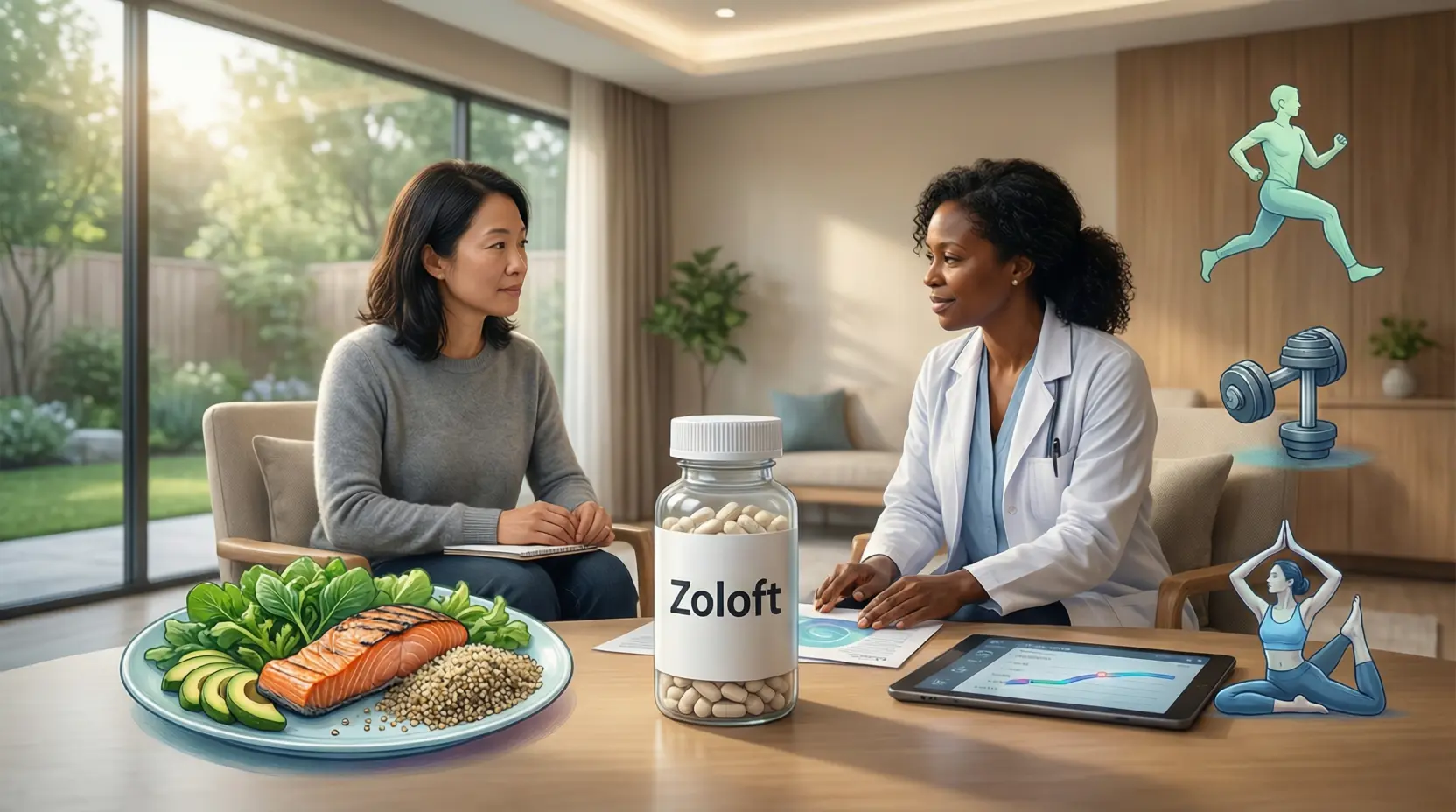
Zoloft, also known as sertraline, is one of the most commonly prescribed antidepressants worldwide, helping millions manage depression, anxiety, and other mental health conditions. While it’s highly effective for mood stabilization, many patients worry about potential side effects especially weight gain.
This concern is common because changes in weight can affect health, self-esteem, and even motivation to continue treatment. But does Zoloft actually cause weight gain, or is this a myth? The answer isn’t straightforward.
Weight changes on Zoloft can vary from person to person, influenced by factors such as metabolism, lifestyle, dosage, and treatment duration. Understanding the connection between Zoloft and weight is essential for anyone considering or currently taking this medication.
In this article, we’ll explore the science behind Zoloft-related weight changes, what studies and real-life experiences reveal, and strategies to manage or prevent unwanted weight fluctuations while prioritizing your mental health.
What is Zoloft?
Zoloft, which is the brand name for sertraline, belongs to a class of medications called selective serotonin reuptake inhibitors (SSRIs). SSRIs work by increasing the level of serotonin, a key neurotransmitter in the brain that regulates mood, emotions, and anxiety. By improving serotonin balance, Zoloft helps reduce symptoms of depression, anxiety disorders, obsessive-compulsive disorder (OCD), post-traumatic stress disorder (PTSD), and panic attacks.
Zoloft is often prescribed because it is considered effective and generally well-tolerated. Unlike some older antidepressants, it tends to have fewer severe side effects, making it a preferred choice for many patients and healthcare providers. However, like all medications, Zoloft can affect each individual differently, and side effects may occur. Some patients report nausea, headaches, insomnia, fatigue, sexual side effects, and changes in appetite or weight.
Understanding what Zoloft is and how it works is important when considering its potential impact on weight. Since it influences brain chemicals that regulate mood and sometimes appetite, it can indirectly affect eating habits and metabolism. Not everyone will experience weight changes, but knowing the mechanism helps explain why some people might notice a shift in their weight while on Zoloft.
By learning about Zoloft’s purpose and effects, patients can make informed decisions, track any changes, and work with their healthcare provider to ensure the best treatment outcomes.
Understanding Weight Gain and Medications
Weight gain is a common concern for people taking certain medications, including antidepressants like Zoloft. Many drugs can influence the body in ways that make weight changes more likely. For example, some medications affect appetite, metabolism, hormone levels, or how the body stores fat. This means that even if your diet and exercise habits remain the same, your weight could still fluctuate.
When it comes to antidepressants, weight gain is often linked to changes in serotonin levels. Serotonin not only affects mood but also plays a role in regulating hunger and satiety. For some people, increasing serotonin can lead to an increased appetite or cravings, especially for high-calorie foods. In other cases, the medication may initially suppress appetite, and weight changes appear later, after the body adjusts to the drug.
It’s important to note that weight gain is not guaranteed. Many factors influence whether a person gains weight while on medications like Zoloft, including genetics, metabolism, age, activity level, and diet. Some individuals may even experience weight loss or no change at all.
Understanding these mechanisms helps put Zoloft-related weight changes into perspective. By recognizing the factors at play, patients can monitor their weight effectively, identify patterns, and take steps to manage any changes while still benefiting from the medication’s mental health effects.
Does Zoloft Cause Weight Gain?
One of the most common questions among Zoloft users is whether the medication actually causes weight gain. The truth is, it can but the effect varies widely from person to person. Clinical studies show mixed results. Some research suggests that long-term use of Zoloft may lead to gradual weight gain, while other studies indicate minimal or no effect on weight for most users.
Short-term use of Zoloft often does not result in significant weight changes. In fact, some patients may experience slight weight loss during the first few weeks due to temporary appetite changes or nausea. However, over time, the body adjusts to the medication, and some individuals may notice increased appetite, food cravings, or slower metabolism, which can contribute to weight gain.
It’s important to remember that weight changes are highly individualized. Factors such as age, gender, baseline weight, lifestyle habits, and even genetics can influence whether a person gains weight on Zoloft. Additionally, mental health improvements themselves can affect weight. For example, as depression symptoms decrease, energy levels and appetite may increase, which can lead to gradual weight gain sometimes making it appear as though Zoloft alone is responsible.
In summary, Zoloft may cause weight gain in some individuals, especially with long-term use, but it is not a guaranteed side effect. Awareness, monitoring, and proactive lifestyle strategies can help manage these changes without compromising mental health benefits.
Factors That Influence Weight Changes on Zoloft
Not everyone taking Zoloft will experience weight gain, and several factors determine how your body responds to the medication. Understanding these can help you anticipate potential changes and take preventive measures.
1. Metabolism: Individual metabolic rates play a key role in weight management. People with slower metabolisms may be more prone to gaining weight when appetite increases, while those with faster metabolisms may notice little change.
2. Lifestyle Habits: Diet, physical activity, and sleep patterns can significantly influence weight. Eating high-calorie foods, leading a sedentary lifestyle, or experiencing poor sleep can amplify the chances of weight gain while on Zoloft.
3. Dosage and Duration: Higher doses or long-term use of Zoloft may increase the likelihood of gradual weight changes. Short-term use usually carries minimal risk, but prolonged treatment can sometimes contribute to noticeable weight fluctuations.
4. Age and Gender: Age-related metabolic changes can affect how the body responds to medications. Women may experience different effects on weight compared to men due to hormonal differences and fat distribution patterns.
5. Underlying Health Conditions: Pre-existing conditions, such as thyroid disorders or metabolic syndrome, can increase susceptibility to weight gain while taking Zoloft.
Recognizing these factors is crucial for managing expectations. Monitoring weight regularly, maintaining a balanced diet, and staying physically active can help counteract potential changes. Most importantly, discussing any concerns with your healthcare provider ensures safe and effective treatment without compromising your mental health.
Common Experiences and Anecdotes
Many people taking Zoloft report different experiences when it comes to weight changes. While some notice gradual weight gain, others experience no change or even slight weight loss. Understanding these variations helps put the scientific findings into perspective.
Some users describe an increase in appetite, particularly for sugary or high-calorie foods, after a few months on Zoloft. This change can lead to slow, incremental weight gain over time. Others report that as their depression or anxiety improves, their overall energy and appetite increase, naturally contributing to a higher calorie intake. In these cases, the weight gain is often linked not just to the medication itself, but also to improved mental health and lifestyle changes.
On the other hand, there are patients who notice little to no weight change. Some even experience mild weight loss initially, often due to temporary side effects such as nausea or reduced appetite. These differences highlight that Zoloft does not affect everyone in the same way. Genetics, lifestyle habits, and individual metabolism all play significant roles.
It’s also common for people to express concern about long-term weight management. Many find that tracking their diet, exercising regularly, and consulting their doctor can help prevent unwanted weight gain while continuing Zoloft treatment. By combining professional guidance with personal awareness, most individuals can maintain both their mental health and physical wellness.
How to Manage or Prevent Weight Gain on Zoloft
While Zoloft can lead to weight changes in some individuals, there are effective strategies to manage or prevent unwanted weight gain without compromising mental health treatment.
1. Maintain a Balanced Diet: Focus on whole foods, including fruits, vegetables, lean proteins, and whole grains. Limiting processed foods, sugary snacks, and high-calorie beverages can help control caloric intake and reduce the risk of gradual weight gain.
2. Regular Physical Activity: Incorporating daily exercise, such as walking, jogging, yoga, or strength training, helps burn calories and supports a healthy metabolism. Even moderate activity can counteract potential weight changes associated with Zoloft.
3. Monitor Your Weight: Keeping track of your weight regularly allows you to identify patterns early. Noticing small changes can help you adjust your diet or activity level before weight gain becomes significant.
4. Prioritize Sleep and Stress Management: Poor sleep and high stress can affect appetite and metabolism, making weight management more difficult. Practicing good sleep hygiene and stress-reduction techniques, such as meditation or deep breathing, can be beneficial.
5. Work With Your Healthcare Provider: If you notice significant weight changes, speak with your doctor. They can review your dosage, discuss alternatives, or suggest lifestyle strategies tailored to your needs.
By combining these strategies, many individuals successfully maintain a healthy weight while benefiting from Zoloft’s mood-stabilizing effects. The key is awareness, proactive management, and professional guidance, ensuring mental health treatment continues without unwanted physical side effects.
Other Side Effects of Zoloft
While weight changes are a common concern, Zoloft may also cause other side effects that patients should be aware of. These side effects vary from person to person and can range from mild to more noticeable reactions.
1. Gastrointestinal Issues: Some individuals experience nausea, diarrhea, constipation, or upset stomach, particularly when first starting the medication. These symptoms often improve over time as the body adjusts.
2. Sleep Disturbances: Zoloft can affect sleep patterns, leading to insomnia or, less commonly, excessive drowsiness. Adjusting the timing of your dose or practicing good sleep hygiene can help manage these effects.
3. Headaches and Fatigue: Headaches and fatigue are reported by some patients during the initial weeks of treatment. These symptoms usually subside as the body adapts to the medication.
4. Sexual Side Effects: Reduced libido, difficulty reaching orgasm, or erectile issues may occur. These side effects are common with many SSRIs but can often be managed through dose adjustments or medical guidance.
5. Mood and Emotional Changes: While Zoloft generally improves mood, some people may experience increased anxiety, irritability, or emotional fluctuations initially. Close monitoring and communication with a healthcare provider are important during this period.
It’s essential to remember that not everyone experiences these side effects, and many are temporary. Tracking any changes and discussing them with your doctor ensures safe and effective treatment. Being aware of potential side effects, including weight changes, allows patients to take proactive steps and maintain both mental and physical well-being while on Zoloft.
When to Seek Medical Advice
While many people tolerate Zoloft well, it’s important to know when weight changes or any other symptoms warrant professional attention. Not all fluctuations are cause for concern, but sudden or significant changes should never be ignored.
If you notice rapid or unexplained weight gain, particularly if accompanied by swelling, fatigue, or digestive issues, it may indicate an underlying problem that requires medical evaluation. Similarly, unexpected weight loss or loss of appetite should be discussed with your doctor. These changes could reflect interactions with other medications, lifestyle factors, or health conditions that need addressing.
Other symptoms that require prompt attention include severe headaches, persistent nausea, mood swings, or signs of depression worsening rather than improving. Sexual side effects or sleep disturbances that interfere with daily life should also be brought to your healthcare provider’s attention.
It’s essential never to stop Zoloft abruptly without consulting a doctor, as sudden discontinuation can lead to withdrawal symptoms or a relapse of depression or anxiety. Instead, your healthcare provider can safely adjust the dosage or suggest alternative treatments if weight gain or other side effects become problematic.
Regular communication with your doctor ensures you get the mental health benefits of Zoloft while minimizing unwanted effects. Monitoring your body, being proactive, and seeking guidance when needed allows you to maintain both physical health and emotional well-being throughout treatment.
Conclusion
Zoloft is a widely prescribed antidepressant that can significantly improve mood, reduce anxiety, and help manage various mental health conditions. While it offers many benefits, concerns about weight gain are common among users. The truth is that Zoloft may cause weight changes, but these effects vary greatly between individuals. Some people may experience gradual weight gain over time, while others notice little to no change, and a few may even lose weight initially.
Factors such as metabolism, lifestyle, diet, exercise habits, age, gender, and treatment duration all play a role in whether weight changes occur. Additionally, improvements in mental health itself can affect appetite and energy levels, which can contribute to fluctuations in weight. Understanding these variables helps patients set realistic expectations and reduces unnecessary worry.
Fortunately, there are effective strategies to manage or prevent weight gain while taking Zoloft. Maintaining a balanced diet, staying physically active, monitoring weight, managing stress, and maintaining open communication with your healthcare provider can all help you maintain both physical and mental health.
Ultimately, the key is awareness and proactive management. By staying informed about potential side effects, tracking your health, and consulting your doctor when necessary, you can continue benefiting from Zoloft without letting weight changes undermine your well-being. Mental health treatment and overall wellness can go hand in hand when approached thoughtfully and carefully.
FAQs About Zoloft and Weight Gain
1. Can Zoloft make you gain weight immediately?
Most people do not experience immediate weight gain when starting Zoloft. Any changes usually occur gradually over weeks or months as the body adjusts to the medication.
2. Does everyone gain weight on Zoloft?
No. Weight changes are highly individual. Some people may gain weight, some may lose a little, and others may notice no change at all. Factors like metabolism, diet, exercise, age, and dosage play a significant role.
3. How long does it take for Zoloft to affect weight?
If weight changes occur, they typically appear after several weeks or months of consistent use. Long-term treatment may increase the likelihood of gradual weight gain for some individuals.
4. Are there ways to prevent weight gain on Zoloft?
Yes. Maintaining a balanced diet, staying physically active, monitoring weight regularly, managing stress, and discussing concerns with your healthcare provider can all help prevent unwanted weight changes.
5. Are there alternative antidepressants with less risk of weight gain?
Some SSRIs and other antidepressants may have a lower risk of weight gain. Your doctor can recommend alternatives based on your health, symptoms, and lifestyle while balancing effectiveness and side effects.
6. Should I stop taking Zoloft if I gain weight?
Never stop abruptly without consulting your doctor. Stopping suddenly can cause withdrawal symptoms or worsen mental health. A healthcare professional can guide dosage adjustments or alternatives safely.
This FAQ section addresses common concerns, reassures readers, and encourages informed decisions with professional guidance.

David is the creative mind behind jokes Crafter, a hub for clever jokes, witty wordplay, and laugh-out-loud content. With a passion for humor and a knack for crafting the perfect punchline, David brings smiles to readers across the globe. When he's not writing, he's probably thinking up his next viral joke or enjoying a good comedy show.
- David

- David
- David
- David
- David
- David
- David
- David
- David
- David