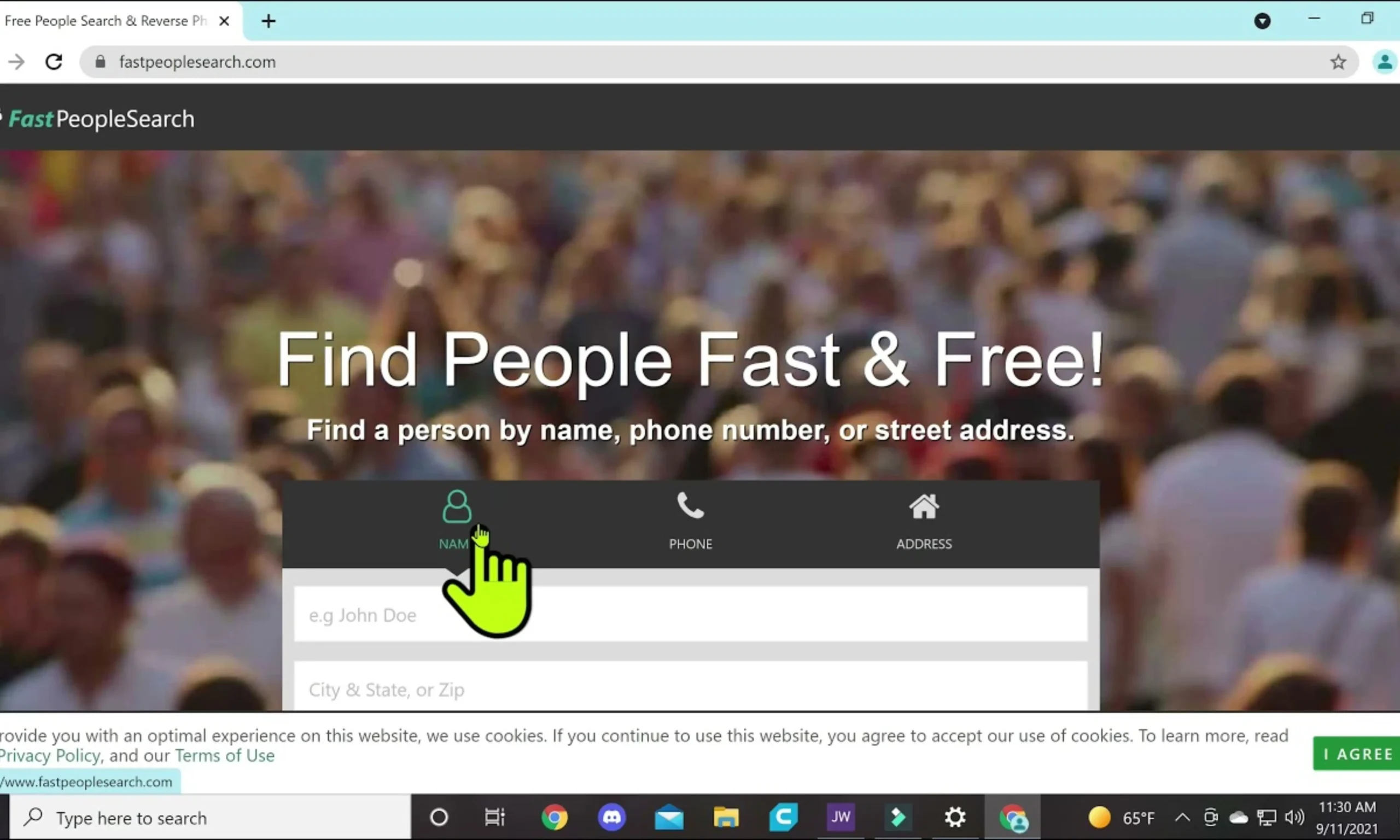
Ever needed to find someone online quickly, only to be lost in a maze of social media profiles, search results, and outdated information? Whether you’re trying to reconnect with an old friend, verify a new contact, or simply locate someone for professional reasons, the process can feel overwhelming.
That’s where fast people search comes in — a set of tools and techniques designed to help you locate anyone online efficiently and accurately. In today’s digital world, almost everyone leaves a trace, from social media footprints to public records, and knowing how to navigate these resources is key.
In this guide, we’ll explore the fastest ways to find people online, the best tools to use, step-by-step search strategies, and important safety and privacy considerations. By the end, you’ll have a clear roadmap to find anyone online quickly — without wasting time or risking legal trouble.
Tools, Techniques, and Data for Fast People Search
Finding someone online isn’t just about typing a name into Google — it’s about knowing where to look, what tools to use, and how to interpret the results. The digital landscape offers multiple avenues for fast people search, each with unique strengths and limitations.
Search Engines
Google and Bing remain the starting point for most people searches. Advanced search operators, like quotation marks for exact names, the minus sign to exclude results, or site-specific searches, can dramatically narrow results. Reverse image search is another powerful technique, allowing you to upload a photo to find social media profiles or other mentions online.
Social Media Platforms
Social networks are a treasure trove of information. LinkedIn excels for professional connections, while Facebook/Meta can help locate personal contacts. Instagram, X, and TikTok offer insights into lifestyle and interests. Each platform has its own search nuances, such as username variations, mutual connections, and location filters, which can speed up your search significantly.
Dedicated People Search Tools
Platforms like Pipl, Spokeo, Whitepages, and BeenVerified aggregate public records, social media profiles, and online mentions into a single searchable database. While many of these tools require subscriptions, they save time and provide higher accuracy than manual searching. Free versions may offer limited data but can still be useful for quick lookups.
Public Records & Government Databases
For more formal searches, public records like court documents, business registrations, property records, or voter registries can verify identities. Access varies by jurisdiction, but these records provide trustworthy information that social media or search engines might not.
Aggregator Tools & Extensions
Some browser extensions and apps combine multiple sources to deliver search results faster. They can pull data from social media, professional networks, and public databases in one interface, reducing the time you spend hopping between platforms.
Safety, Privacy, and Accuracy
When performing a fast people search, it’s critical to respect privacy and legal boundaries. Cross-check multiple sources to avoid false information and ensure ethical use of the data. Quick searches can lead to inaccurate conclusions if not verified, so balance speed with accuracy.
By understanding these tools, platforms, and precautions, you can conduct fast, accurate, and responsible people searches. The next step is to analyze how to combine these resources effectively for the best results.
Comparing Tools and Techniques for Fast People Search
Conducting a fast people search is not just about knowing where to look—it’s about understanding which tools to use, how they compare, and how to combine them effectively. Speed and accuracy often pull in different directions, so a strategic approach is key.
Speed vs Accuracy
Social Media: Platforms like LinkedIn, Facebook, and Instagram are quick to access and often deliver immediate results, especially if you know part of the person’s username or location. However, social media profiles may be incomplete, outdated, or private, affecting accuracy.
Dedicated People Search Tools: Services like Spokeo, Pipl, and Whitepages offer higher accuracy by aggregating data from multiple sources. They can verify addresses, phone numbers, and previous locations but may require paid subscriptions and take slightly longer to compile results.
Public Records: Courts, business registries, and property records are highly reliable, but accessing them can be slower and sometimes requires formal requests or fees.
Comparison Table: Tools at a Glance
| Tool/Method | Speed | Accuracy | Cost | Privacy Risk |
|---|---|---|---|---|
| Google/Bing | Fast | Moderate | Free | Low |
| Moderate | High | Free/Paid | Low | |
| Facebook/Meta | Fast | Moderate | Free | Low |
| Instagram/TikTok/X | Fast | Moderate | Free | Low |
| Pipl | Moderate | High | Paid | Moderate |
| Spokeo | Moderate | High | Paid | Moderate |
| Public Records | Slow | Very High | Varies | Low |
Step-by-Step Fast People Search Workflow
- Start with a Google or Bing search: Use advanced operators like
"John Doe" + "New York"orsite:linkedin.com "John Doe". - Check social media platforms: Look for profiles using name, username, location, and mutual connections.
- Use dedicated people search tools: Cross-reference the results to verify addresses, phone numbers, or email addresses.
- Consult public records if needed: Use for verification, background checks, or formal purposes.
- Aggregate and cross-check results: Ensure accuracy by comparing multiple sources.
Tips for Faster Results
- Use Boolean operators (
AND,OR,NOT) for refined searches. - Try reverse lookups with phone numbers, emails, or usernames.
- Save time by using aggregator tools or browser extensions that compile results from multiple platforms.
- Always verify critical information through at least two sources to avoid errors.
Ethical and Legal Considerations
Speed should never compromise legality. Respect privacy laws such as GDPR (Europe) or CCPA (California). Avoid harassing individuals or using personal information for harmful purposes. Fast searches are valuable only when used responsibly.
By combining speed-oriented methods like social media with accuracy-focused tools such as public records and dedicated search platforms, you can perform a fast people search that is efficient, reliable, and legally safe.
FAQs
What is a fast people search?
A fast people search is a method of quickly locating someone online using tools like search engines, social media, and people search services to find public information efficiently.
Are people search tools free to use?
Some tools offer basic free searches, but most comprehensive people search services require paid plans for detailed results and accurate data.
Can I find someone with just their phone number?
Yes — reverse phone lookup tools and search engines can often reveal associated names or profiles when you search by phone number.
Is it legal to perform a people search?
Searching for public information online is generally legal, but using or sharing personal data must comply with privacy laws like GDPR or CCPA.
How accurate are people search results?
Accuracy varies by source; social media and search engines are fast but less reliable, while dedicated databases and public records tend to be more precise.
Conclusion
Finding someone online quickly doesn’t have to be overwhelming. By understanding the strengths and limitations of different tools—from search engines and social media platforms to dedicated people search services and public records—you can create a strategy that balances speed, accuracy, and legality.
Quick searches are effective when combined with careful verification and ethical use of information. Remember to cross-check multiple sources, use Boolean operators for precision, and respect privacy laws to avoid potential legal issues.
Whether you’re reconnecting with an old friend, verifying a new contact, or conducting professional research, following a structured workflow ensures fast and reliable results. Start with broad searches, narrow down with social media and specialized tools, and confirm findings with public records or aggregated databases. By applying these methods, you can confidently locate anyone online efficiently, safely, and responsibly.

David is the creative mind behind jokes Crafter, a hub for clever jokes, witty wordplay, and laugh-out-loud content. With a passion for humor and a knack for crafting the perfect punchline, David brings smiles to readers across the globe. When he's not writing, he's probably thinking up his next viral joke or enjoying a good comedy show.
- David

- David
- David
- David
- David
- David
- David
- David
- David
- David