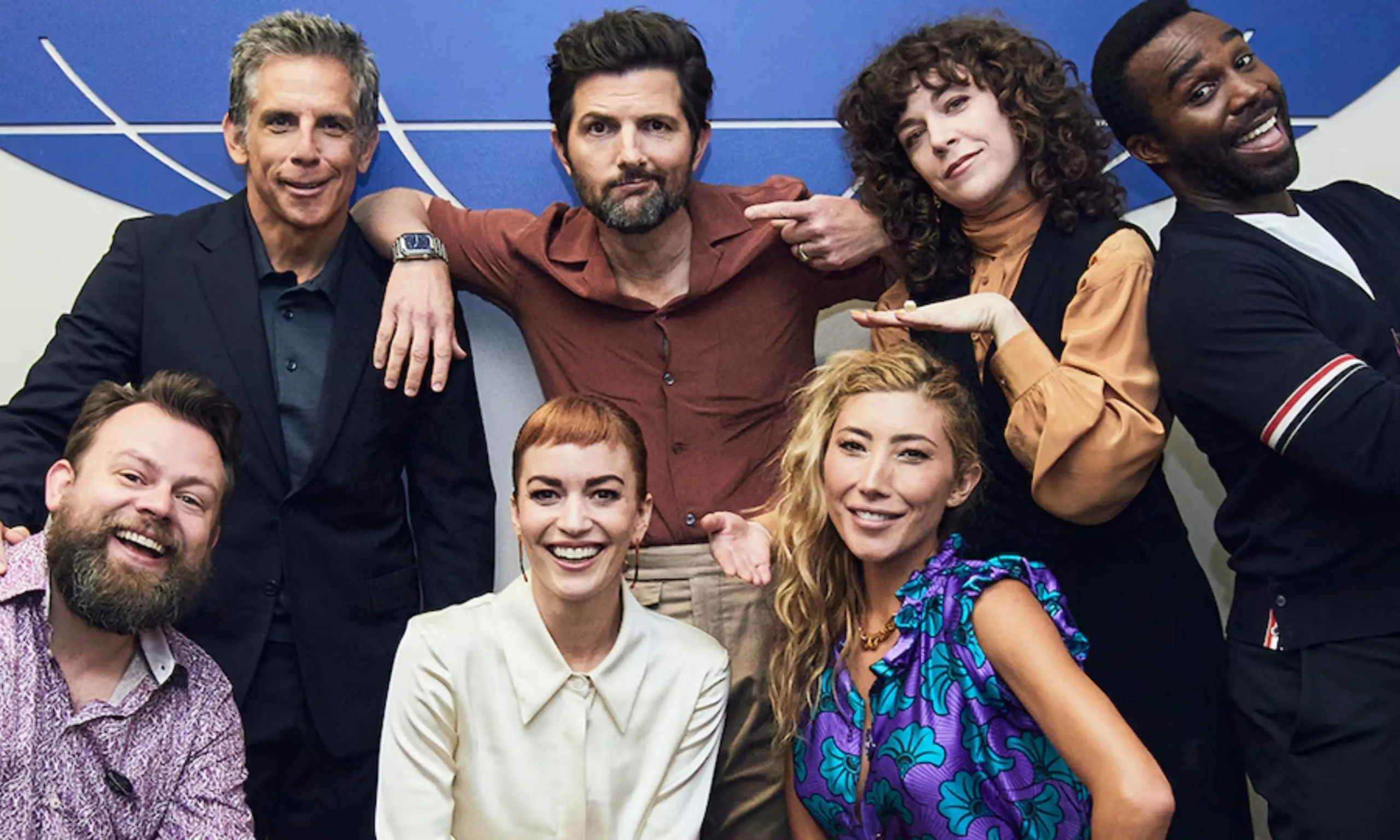
Apple TV+’s Severance has quickly become one of the most talked-about shows in recent years, captivating audiences with its darkly comedic take on corporate life and psychological intrigue. While the show’s unique premise—splitting employees into “innie” and “outie” personalities—grabs attention, it’s the cast that truly brings the world of Lumon Industries to life.
From seasoned actors like Patricia Arquette and John Turturro to rising stars such as Britt Lower and Zach Cherry, the ensemble delivers performances that are both subtle and deeply compelling. Each character is intricately crafted, with dual identities that challenge the actors and keep viewers guessing.
In this article, we’ll explore the full Severance cast, diving into main and supporting characters, standout performances, and the chemistry that makes the series unforgettable. Whether you’re a longtime fan or new to the show, this guide will give you a detailed look at the talent powering Severance.
Overview of the Severance Cast
The cast of Severance is a masterclass in ensemble storytelling, combining established Hollywood talent with rising stars to create a uniquely compelling group of characters. At the center of the series is the idea of dual identities: each employee at Lumon Industries has an “innie” personality, existing strictly at work, and an “outie” persona, living their personal life outside the office. This split requires nuanced performances, as actors must convey subtle differences in behavior, tone, and emotion between their two selves.
The main cast includes Adam Scott as Mark Scout, the show’s protagonist navigating the moral complexities of Lumon’s experiment, and Britt Lower as Helly Riggs, whose emotional intensity and rebellious spirit drive much of the tension. Veteran performers like Patricia Arquette and John Turturro lend gravitas, portraying characters that are simultaneously authoritative, enigmatic, and human. Supporting and recurring cast members, including Zach Cherry and Tramell Tillman, provide critical narrative depth, fleshing out the corporate world and its hidden hierarchies.
What makes this ensemble truly stand out is not only individual talent but also the chemistry between actors. Group scenes feel authentic and layered, creating an unsettling yet fascinating environment that mirrors the psychological themes of the series. Each actor’s commitment to their dual roles enhances the story’s tension, making the cast a vital reason Severance has resonated so strongly with audiences and critics alike.
Main Cast Members
The main cast of Severance brings together seasoned actors and rising stars, each delivering nuanced performances that explore the series’ unique “innie vs. outie” concept. Their chemistry and individual depth are central to the show’s success.
Adam Scott as Mark Scout
Adam Scott leads as Mark Scout, the series’ protagonist navigating the ethical and psychological challenges of Lumon Industries. His dual performance captures the subtle tension between his innie and outie selves, making Mark relatable yet complex. Scott’s portrayal balances vulnerability and quiet intelligence, anchoring the show’s narrative. Known for roles in Parks and Recreation and Big Little Lies, this is one of Scott’s most psychologically demanding performances.
Britt Lower as Helly Riggs
Britt Lower portrays Helly Riggs, a rebellious new Lumon employee struggling with the morality of the severance program. Her intense, emotionally charged performance captures Helly’s inner turmoil and defiance. Lower’s previous comedic work in Man Seeking Woman contrasts with the dramatic depth she demonstrates here, highlighting her versatility.
Patricia Arquette as Harmony Cobel
Patricia Arquette embodies Harmony Cobel, head of the severance program, with authority and nuance. Her innie/outie distinction emphasizes the cold, controlled corporate persona versus subtle human vulnerability. Arquette, acclaimed for Medium and Boyhood, brings gravitas that elevates the series’ tone and tension.
John Turturro as Irving Bailiff
John Turturro’s Irving Bailiff is a restrained, loyal Lumon employee with hidden emotional complexity. Turturro conveys inner conflict with minimal expressions and deliberate pacing, enriching both character and ensemble. His career includes The Big Lebowski and O Brother, Where Art Thou?, lending seasoned depth to the cast.
Zach Cherry as Dylan George
Zach Cherry provides comic relief and emotional nuance as Dylan George. His ability to switch subtly between innie and outie personalities makes the character relatable and engaging. Cherry, known for The Afterparty and Search Party, stands out as a fan favorite for his charm and authenticity.
Supporting and Recurring Cast Members
While the main cast drives the story, the supporting and recurring actors add depth, humor, and tension to the world of Lumon Industries. Their performances help build the corporate hierarchy and bring subtle storylines to life, making the ensemble feel complete.
Tramell Tillman as Seth Milchick
Tramell Tillman plays Seth Milchick, a middle manager whose officious behavior masks insecurities and moral conflict. Tillman’s innie/outie portrayal captures both his compliance with Lumon’s rules and his private frustrations, offering moments of dry humor and understated tension. His performance adds realism to the workplace environment, making the corporate setting feel tangible and layered.
Jennifer Jason Leigh as Ms. Cobel’s Mentor
Jennifer Jason Leigh appears in a recurring role as a mentor to Harmony Cobel, providing insight into Lumon’s inner workings. Her presence adds authority and weight to the corporate narrative, and her subtle performance contrasts with Arquette’s more overt control, highlighting the inner politics of Lumon.
Dichen Lachman as Devon
Dichen Lachman portrays Devon, a supporting employee whose calm demeanor masks a complicated inner life. Her dual-role performance explores the subtle psychological effects of the severance program and enhances the series’ eerie, unsettling tone.
Other Notable Supporting Cast Members
Michael Chernus as an executive navigating Lumon’s policies
Pat Healy in various brief yet pivotal scenes that influence main characters’ arcs
These actors enrich storylines, provide narrative tension, and expand the Lumon universe beyond the main cast.
The supporting cast excels at reinforcing the psychological complexity of the series. Their interactions with the main characters create both dramatic tension and moments of levity, making Lumon Industries feel like a fully realized world.
Innie vs. Outie: The Core Acting Challenge
One of the most fascinating aspects of Severance is its innovative exploration of dual identities. Every main and supporting character is split into an “innie” personality, existing only at work, and an “outie” personality, living their life outside the office. This concept creates unique challenges for the cast, demanding precision, subtlety, and emotional versatility.
Understanding the Concept
The innie/outie premise isn’t just a plot device—it drives the psychological tension throughout the series. Innie characters are often controlled, subdued, or emotionally restrained, while their outie counterparts display full personal freedom and vulnerability. For actors, this requires portraying two distinct personas with consistent internal logic, while subtly signaling continuity between the two selves.
How the Cast Executes It
Adam Scott switches between moral introspection and outward composure, using micro-expressions and controlled gestures.
Britt Lower channels rebellion and raw emotion for Helly’s outie while maintaining innie’s tension and restraint.
Patricia Arquette conveys Cobel’s authority in the innie, contrasted with subtle vulnerability in the outie.
Why It Elevates the Show
This dual-performance structure makes the series psychologically rich and visually compelling. It enhances suspense, deepens character development, and gives viewers a reason to closely analyze every scene. The cast’s ability to seamlessly differentiate innie and outie behaviors is a major reason Severance stands out among contemporary dramas.
Cast Chemistry and Ensemble Dynamics
While individual performances are essential, the true strength of Severance lies in the chemistry between its actors. The ensemble’s interactions create tension, humor, and emotional resonance, making Lumon Industries feel like a fully realized, high-stakes environment.
Group Dynamics and On-Screen Relationships
The cast excels at portraying the complex interpersonal relationships within Lumon. For example, Adam Scott’s Mark Scout often navigates subtle power struggles with Patricia Arquette’s Cobel, creating an atmosphere of tension and intrigue. Similarly, Helly Riggs’ clashes with other employees, including Dylan George and Irving Bailiff, highlight both workplace conflict and psychological strain. These interactions feel natural because the actors react authentically to each other’s emotional cues, enhancing the story’s believability.
Balancing Humor and Tension
The ensemble skillfully balances dark humor with psychological drama. Zach Cherry’s comedic timing as Dylan George offers levity, while John Turturro and Tramell Tillman’s restrained performances anchor the tension. This balance keeps viewers engaged, preventing the show from becoming overwhelmingly bleak while reinforcing its unsettling tone.
Why Ensemble Strength Matters
The ensemble’s cohesion allows for multi-layered storytelling. Scenes with multiple characters reveal hidden motivations, reinforce themes of control and identity, and give the audience insight into Lumon’s corporate hierarchy. The chemistry among the cast ensures that even brief interactions feel meaningful, heightening both suspense and emotional impact.
Direction, Writing, and Performance Synergy
The brilliance of Severance isn’t just in its cast—it’s also in how direction and writing amplify the actors’ performances. Ben Stiller’s directorial vision, combined with a meticulously crafted script, creates an environment where the cast can fully explore the psychological and emotional depth of their characters.
Ben Stiller’s Direction
Ben Stiller approaches Severance with a careful balance of dark humor and psychological tension. He encourages actors to find subtle cues that distinguish innie and outie personalities, ensuring that every gesture, tone, and expression serves the story. Stiller’s direction also emphasizes ensemble cohesion, allowing group scenes to feel authentic and emotionally charged.
Writing that Supports Performance
The scripts, co-created by Dan Erickson, are rich in dialogue, moral dilemmas, and narrative complexity. The writing provides characters with internal conflicts and ethical questions, giving actors opportunities to explore nuance and depth. Cleverly written lines allow humor to emerge naturally, even in tense or surreal situations, enhancing both entertainment and narrative clarity.
Synergy Between Cast and Creators
The collaboration between actors, writers, and director is central to the show’s success. Each performance is informed by careful guidance, while the writing adapts to highlight strengths in the cast. This synergy produces a seamless blend of suspense, emotion, and dark comedy, making the world of Lumon Industries both compelling and unsettling.
Critical Reception of the Severance Cast
The cast of Severance has received widespread acclaim from critics and audiences alike. Their ability to navigate the show’s unique premise—balancing innie and outie identities—has been recognized as one of the key reasons for the series’ success.
Awards and Nominations
Several cast members have earned accolades and nominations for their performances. Patricia Arquette’s portrayal of Harmony Cobel has been praised for its commanding presence and subtle menace, while Adam Scott’s nuanced depiction of Mark Scout has been highlighted in multiple critics’ “best performances” lists. Ensemble nominations recognize the synergy among the main and supporting actors, emphasizing how collective chemistry enhances the series.
Critics’ Praise
Critics have consistently highlighted the cast’s ability to convey complex psychological themes. Reviews frequently mention the seamless duality of innie and outie performances, noting that the actors deliver tension, humor, and depth in every scene. Publications like Variety and The Hollywood Reporter have emphasized how performances elevate the show beyond a standard workplace drama.
Audience and Fan Response
Fans have also responded enthusiastically, praising standout performances and character development. Social media discussions often revolve around favorite cast members, memorable scenes, and the subtle cues actors use to differentiate innie and outie personas. This engagement underscores how the cast’s work resonates with viewers on multiple levels.
Impact on the Show’s Success
The critical and audience reception demonstrates that the cast is central to Severance’s identity. Their performances make the narrative compelling, emotionally resonant, and visually captivating, ensuring the show’s place as a standout in modern prestige television.
Themes Expressed Through Performance
The cast of Severance doesn’t just portray characters—they bring the show’s central themes to life. Through their nuanced performances, viewers experience the psychological, emotional, and ethical layers of Lumon Industries’ world.
Identity and Duality
The innie/outie concept is central to the show, and the actors’ performances make this duality tangible. Adam Scott’s Mark Scout and Britt Lower’s Helly Riggs demonstrate how identity is split and constrained by corporate control. Subtle gestures, shifts in tone, and body language distinguish each persona, allowing the audience to feel the tension between personal freedom and workplace constraint.
Corporate Control and Dehumanization
Patricia Arquette’s Harmony Cobel embodies authority and control, highlighting the corporate mechanisms that strip employees of autonomy. Supporting actors, including Tramell Tillman and John Turturro, reinforce this theme, showing how compliance and hierarchy shape behavior. The cast’s careful attention to expression and timing makes the psychological manipulation feel real and unsettling.
Grief, Loss, and Emotional Repression
Several characters, particularly Mark Scout and Irving Bailiff, grapple with past trauma and loss. The actors convey repressed emotion through restrained performances, showing how Lumon’s system magnifies internal struggles. These portrayals add emotional depth and make the story resonate beyond the corporate thriller premise.
Human Connection Amid Confinement
Despite the rigid corporate structure, the cast highlights moments of empathy, trust, and rebellion. Ensemble chemistry allows viewers to see authentic human interactions, reinforcing themes of connection, resistance, and moral courage.
Comparison to Other Prestige TV Casts
Severance’s ensemble stands out not only for individual performances but also for how the cast works together to create a psychologically complex world. When compared to other prestige TV shows, its cast demonstrates unique strengths that elevate the series above standard workplace dramas.
Ensemble Cohesion vs. Individual Star Power
Unlike many prestige dramas that rely heavily on a single breakout star, Severance balances strong individual performances with ensemble cohesion. While Adam Scott and Patricia Arquette shine, the show emphasizes interactions among the entire cast. This approach creates a layered narrative where even supporting characters, like Tramell Tillman and Zach Cherry, have meaningful contributions—something often lacking in comparable series.
Psychological Complexity
Few TV shows challenge actors with a premise as demanding as Severance’s innie/outie dynamic. In comparison, shows like Mad Men or The Morning Show explore complex characters, but they rarely require the same dual-performance precision. Severance’s actors must constantly switch emotional registers, adding an extra layer of difficulty that highlights their talent and versatility.
Dark Humor and Emotional Depth
The series also blends dark comedy with psychological drama in ways similar to Fargo or Succession. However, Severance’s cast manages to maintain tonal balance without undermining suspense, showing that the ensemble can navigate humor, tension, and ethical complexity simultaneously.
Why Severance Stands Out
Overall, the cast’s combination of psychological precision, ensemble chemistry, and tonal versatility makes Severance unique among prestige television dramas. Their performances create a world that is both believable and unsettling, setting a new standard for ensemble work in high-concept series.
Why the Severance Cast Matters
The cast of Severance is central to the series’ success, transforming a high-concept premise into a gripping and emotionally resonant story. Their performances give depth to the narrative, elevate the psychological tension, and make the world of Lumon Industries feel authentic.
Standout Performances and Emotional Depth
Each actor brings a unique energy to their role, whether it’s Adam Scott’s morally conflicted Mark Scout, Britt Lower’s rebellious Helly Riggs, or Patricia Arquette’s authoritative Harmony Cobel. Their ability to portray innie and outie personas with subtlety and precision immerses viewers in the psychological complexity of the series. Supporting actors, like Zach Cherry and Tramell Tillman, add humor, tension, and narrative richness, ensuring every scene contributes to the story.
Impact on Storytelling
The ensemble’s chemistry and nuanced acting allow Severance to explore themes of identity, control, and human connection with authenticity. Their performances elevate even minor plot points, making the show emotionally compelling and intellectually engaging.
Why Viewers Should Pay Attention
The cast doesn’t just act—they embody the world of Lumon Industries. Watching their performances reveals layers of meaning in every scene, providing both entertainment and insight. Their talent ensures Severance is a standout in modern television, leaving a lasting impression on audiences and critics alike.
Curious about meanings in text? Explore [maeniing.com/] to discover clear explanations behind common and unusual words, phrases, and expressions!
What to Expect From the Cast in Future Seasons
The upcoming seasons of Severance promise to further challenge the cast, exploring deeper character arcs and evolving relationships within Lumon Industries.
Character Development and Arcs
Expect Adam Scott’s Mark Scout to face increasingly complex moral dilemmas as the boundaries between innie and outie blur. Britt Lower’s Helly Riggs may continue to rebel, revealing new dimensions of her inner and outer personas. Supporting characters like Dylan George and Irving Bailiff will likely gain more prominence, offering additional emotional and narrative layers.
New Cast Members and Dynamics
Future seasons may introduce new characters, testing the ensemble’s chemistry and allowing existing actors to explore fresh interactions. These additions could heighten tension, add intrigue, and expand the psychological landscape of the series.
Viewer Takeaways and Engagement
The cast’s performances are more than just entertainment—they invite audiences to actively engage with the show’s themes and character dynamics.
Key Takeaways for Viewers
Observe the subtle differences between innie and outie personas.
Pay attention to interactions that reveal character hierarchy and hidden motivations.
Appreciate the ensemble’s balance of tension, humor, and emotional depth.
Encouraging Discussion and Interaction
Fans can discuss favorite cast members, speculate on future character arcs, or analyze pivotal scenes. Engaging with the performances on a deeper level enhances appreciation for the show’s complexity and encourages thoughtful conversation within the fan community.
FAQs
Who plays Mark Scout in Severance?
Adam Scott stars as Mark Scout, navigating the innie/outie split at Lumon Industries with subtle and compelling performances.
Who is Helly Riggs in Severance?
Britt Lower plays Helly Riggs, a rebellious employee struggling with Lumon’s severance program and her dual identity.
What is the innie vs outie concept in Severance?
“Innie” refers to the work-only personality, while “outie” is the personal-life self; actors portray both convincingly.
Which actors play the main cast of Severance?
The main cast includes Adam Scott, Britt Lower, Patricia Arquette, John Turturro, and Zach Cherry.
Is Severance’s cast receiving awards or critical praise?
Yes, critics praise their nuanced dual performances, with ensemble recognition for chemistry and psychological depth.
Conclusion
The cast of Severance is at the heart of what makes the series unforgettable. From Adam Scott’s nuanced lead performance to the supporting ensemble’s subtle yet impactful portrayals, every actor contributes to a rich, psychologically complex world. Their ability to navigate the innie/outie dynamic, convey emotional depth, and maintain ensemble cohesion elevates the series beyond a typical workplace drama.
Engage With the Series
Watch or rewatch Severance with a focus on the duality of each character.
Share your favorite performances and scenes in the comments or on social media.
Discuss theories and predictions about character arcs in future seasons.
By paying attention to the cast’s performances and engaging with the show’s themes, viewers gain a deeper understanding of Lumon Industries’ intriguing, unsettling world. Whether you’re a longtime fan or new to the series, the Severance cast is a reason to watch, analyze, and appreciate every episode.

David is the creative mind behind jokes Crafter, a hub for clever jokes, witty wordplay, and laugh-out-loud content. With a passion for humor and a knack for crafting the perfect punchline, David brings smiles to readers across the globe. When he's not writing, he's probably thinking up his next viral joke or enjoying a good comedy show.
- David

- David
- David
- David
- David
- David
- David
- David
- David
- David