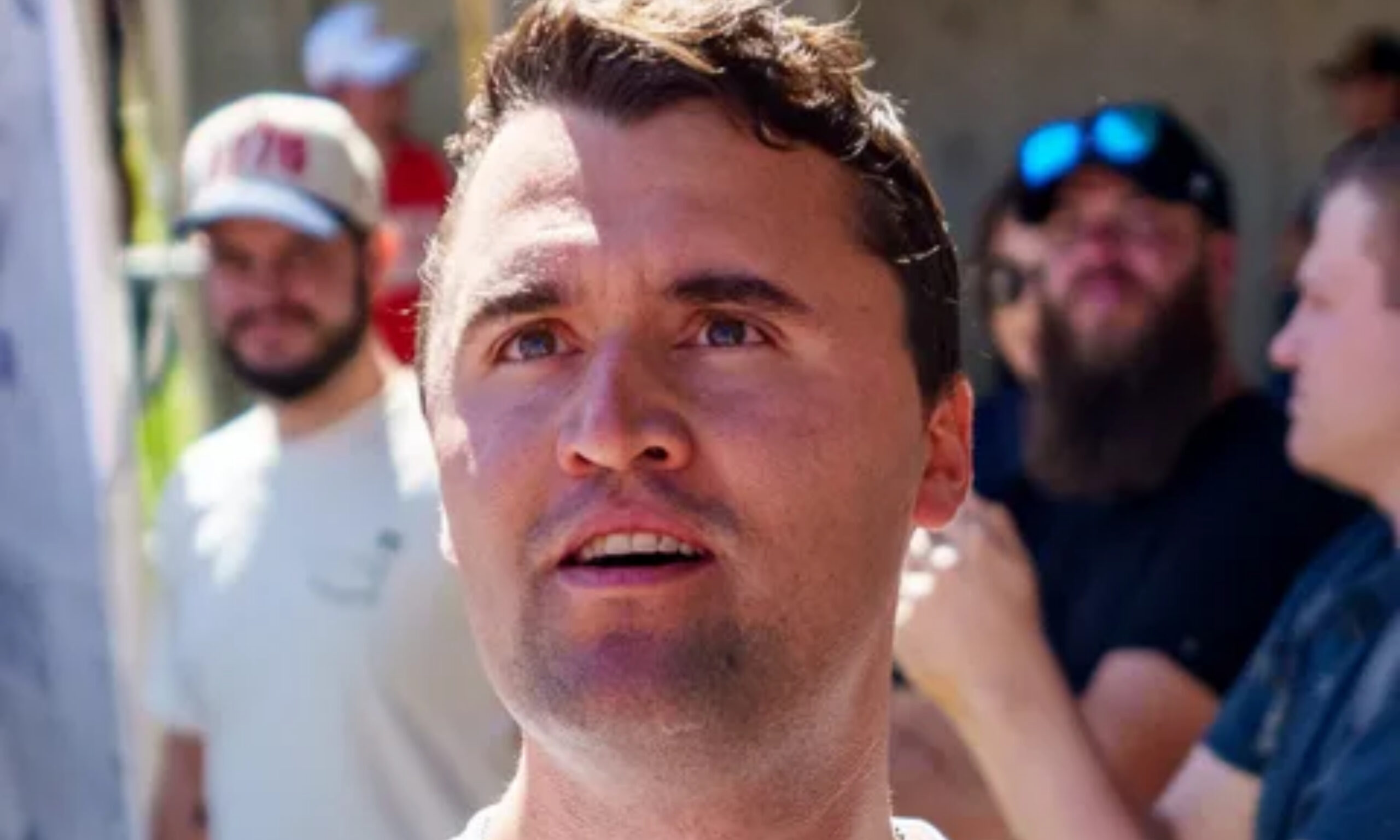
On September 10, 2025, the conservative political world was shaken when Charlie Kirk, co-founder of Turning Point USA, was fatally shot during a public event at Utah Valley University in Orem, Utah.
The shooting occurred just 20 minutes into a Q&A session, leaving attendees in shock as emergency services rushed to the scene. Kirk, aged 31, was transported to a nearby hospital but later succumbed to his injuries, marking a tragic and unprecedented moment in contemporary American political life. The suspect was quickly identified and arrested, sparking nationwide attention and debate.
Beyond the immediate tragedy, this incident has raised urgent questions about the safety of public figures, the role of political violence in discourse, and the responsibility of media platforms in handling sensitive events. In this article, we will examine the shooting, its aftermath, public reactions, and the broader societal and political implications of this shocking act.
Charlie Kirk: Background and Career
Charlie Kirk, born in 1993, rose to prominence as a conservative activist and media personality. He is best known as the co-founder of Turning Point USA, an organization dedicated to promoting conservative values on college campuses across the United States. Kirk gained national attention in his early twenties for his outspoken commentary on political issues, his social media presence, and his ability to mobilize young conservatives.
Kirk’s influence extended beyond activism; he became a frequent guest on major news networks, authored books on conservative thought, and developed a large online following. His approach combined grassroots organizing with a strong media presence, making him one of the most recognizable figures in American conservative politics.
Throughout his career, Kirk was both celebrated and controversial. Supporters praised his efforts to engage youth in politics, while critics accused him of polarizing rhetoric and stoking division. Despite this, his visibility and impact were undeniable, positioning him as a central figure in discussions about modern American conservatism.
Understanding Kirk’s background is crucial to contextualizing the shock and widespread attention his tragic death has received, as it not only marks the loss of a public figure but also underscores the vulnerability of prominent political voices in today’s climate.
The Shooting Incident: Timeline and Details
On the evening of September 10, 2025, Charlie Kirk was scheduled to speak at Utah Valley University in Orem, Utah, during a public event attended by approximately 3,000 people. The event included a presentation followed by a Q&A session, allowing attendees to interact directly with Kirk. Roughly 20 minutes into the Q&A, chaos erupted when a gunshot rang out in the auditorium.
Eyewitnesses reported seeing a single shot fired, striking Kirk in the neck. Security personnel immediately moved to subdue the suspect, while attendees fled or sought cover. Emergency medical services were called to the scene, and Kirk was quickly transported to a nearby hospital. Despite rapid medical attention, he succumbed to his injuries later that day, confirming the fears of those present.
Law enforcement swiftly responded, securing the scene and gathering evidence. Within hours, authorities identified and arrested a suspect, who was later charged with aggravated murder. Police described the shooting as a targeted attack, though the investigation into motive remains ongoing.
The incident sent shockwaves through both the local community and national political circles. Social media platforms were flooded with eyewitness accounts, videos, and speculation, highlighting the immediate tension between public curiosity and responsible reporting. The shooting not only ended the life of a prominent political figure but also ignited urgent debates about the safety of public events, political polarization, and the responsibilities of event organizers and security teams.
The Suspect and Legal Proceedings
Following the shooting of Charlie Kirk, authorities quickly identified a suspect, who was arrested at the scene and later charged with aggravated murder. While law enforcement has released limited personal details, reports indicate the suspect is a young adult with no known prior connection to Kirk. Investigators are actively exploring motive, though preliminary statements suggest the act was deliberate.
The arrest was swift, reflecting heightened security protocols and coordinated police response. Law enforcement emphasized that the suspect posed no ongoing threat to the public and that the investigation would continue through formal legal channels. Officials also cautioned against spreading unverified information, highlighting the need for careful reporting amid widespread social media speculation.
Legal proceedings have begun, with the suspect appearing in court and facing serious charges that carry severe penalties under Utah law, including the potential for the death penalty due to the aggravated nature of the crime. Court documents indicate that hearings will address issues of bail, trial dates, and evidence disclosure, with certain sensitive information being sealed to protect the integrity of the case.
The development of the trial is closely watched nationwide, as it not only involves a prominent political figure but also raises questions about security at public events, legal responses to political violence, and the role of the judiciary in ensuring a fair trial. Families, supporters, and observers are following proceedings closely, awaiting justice while grappling with the broader societal implications of the attack.
Public and Political Reactions
The shooting of Charlie Kirk immediately sparked nationwide outrage and grief, resonating across the political spectrum. Prominent political figures, both Republican and Democratic, condemned the attack, emphasizing the need to address political violence while protecting civil discourse. Former President Donald Trump publicly mourned Kirk, calling his death “tragic” and urging Americans to come together in unity despite deep divisions.
Conservative media outlets and political commentators framed the incident as a targeted attack on a high-profile figure, highlighting the risks faced by public speakers in today’s polarized climate. Turning Point USA released a statement expressing profound sorrow, honoring Kirk’s work in mobilizing young conservatives and emphasizing the urgent need for increased security at political events.
Social media became a rapid outlet for both mourning and discussion. Eyewitness videos, photos, and personal accounts circulated widely, generating millions of impressions. While many posts focused on paying tribute, others sparked debate over security protocols, political rhetoric, and responsibility in public discourse. Platforms faced scrutiny for how violent content spreads and the potential for misinformation, highlighting the delicate balance between reporting news and preventing panic or false narratives.
Beyond the immediate reactions, the incident prompted discussions in universities, political organizations, and public forums about ensuring safety at events and protecting the freedom of speech. The tragedy also became a flashpoint in national conversations on political polarization, the risks of extremist behavior, and the role of leadership in promoting respectful dialogue.
Social Media and Public Discourse
The shooting of Charlie Kirk didn’t just dominate the headlines — it exploded across social media platforms, becoming one of the most discussed, shared, and controversial events online in 2025. Videos of the incident circulated widely within minutes, often appearing in users’ feeds even if they hadn’t searched for them. Many viewers reported being confronted with graphic clips of the shooting without warning, raising concerns about how social platforms handle violent content. Leaders in public safety warned that such imagery can be deeply disturbing and psychologically damaging, especially when algorithmically amplified.
Reactions on platforms like X (formerly Twitter), Bluesky, Reddit, and Twitch were highly polarized and emotionally charged. While a majority condemned the attack as senseless violence, some posts glorified or celebrated Kirk’s killing, prompting swift backlash and platform warnings against glorifying violence. Popular streamers — including major personalities on Twitch — described the incident as terrorism and highlighted broader societal tensions in their livestream reactions.
At the same time, online discussions became battlegrounds for political narratives. Some users blamed opposing political groups for inciting violence, while others reflected on the state of political polarization and what the shooting reveals about national discourse. A range of personal accounts — from shock and fear to introspection on tribalism — underlined how deeply this event resonated with social media communities.
Overall, the online reaction showcased not only grief and debate but also the challenges of moderating content and fostering constructive dialogue in an era of split digital audiences.
FAQs
What happened to Charlie Kirk?
Charlie Kirk was fatally shot at an outdoor event at Utah Valley University on September 10, 2025, while speaking to an audience.
Was Charlie Kirk killed?
Yes. Reports confirm he died from his wounds after the shooting.
Has a suspect been arrested?
Yes. Authorities arrested a suspect, who was charged with aggravated murder and other offenses related to the shooting.
Who is investigating the case?
The FBI is working alongside local law enforcement, including analysis of the rifle believed used in the attack.
Why did this incident gain national attention?
Beyond Kirk’s prominence as a political figure and activist, the manner of his assassination raised urgent questions about public event security, political violence, and digital discourse.
What impact has this had?
The event has influenced legal actions, sparked free speech debates, and prompted controversy over how educators and institutions respond to politically charged content.
Conclusion
The assassination of Charlie Kirk at a Utah Valley University event on September 10, 2025 stands as one of the most shocking and consequential political violence incidents in recent American history.
What began as a public speaking engagement quickly turned tragic when a single rifle shot struck Kirk in front of thousands of attendees. Law enforcement responded swiftly, the suspect was identified and charged, and a federal investigation continues to unfold, including analysis of the weapon believed used in the attack.
Beyond the immediate tragedy of a life lost, the incident has sparked wide-ranging public discourse — from legal battles and court proceedings to debates over free speech, digital misinformation, and political polarization.
Educators, lawmakers, and civil liberties advocates are confronting complex questions about how society handles violent events involving public figures and how to balance safety with democratic freedoms. As new developments emerge, the nation continues to grapple with both the immediate fallout and the deeper cultural implications of the assassination.

David is the creative mind behind jokes Crafter, a hub for clever jokes, witty wordplay, and laugh-out-loud content. With a passion for humor and a knack for crafting the perfect punchline, David brings smiles to readers across the globe. When he's not writing, he's probably thinking up his next viral joke or enjoying a good comedy show.
- David

- David
- David
- David
- David
- David
- David
- David
- David
- David