In today’s fast-paced world, the ability to think clearly and make smart decisions is more important than ever. That’s where critical thinking comes in. It’s not just a skill for students or professionals—it’s a life skill that helps you analyze problems, evaluate information, and make better choices every day.
But like any skill, critical thinking improves with practice and the right exercises. From simple brain teasers to real-life scenarios, there are countless ways to train your mind to think more logically, creatively, and strategically.
This guide will introduce a variety of critical thinking exercises suitable for beginners, students, adults, and professionals, along with tips for daily practice. By the end, you’ll have a toolkit of activities to challenge your brain, enhance problem-solving skills, and boost decision-making confidence—all while having fun and sharpening your mind.
What Is Critical Thinking?
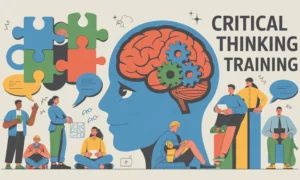
Critical thinking is the ability to analyze information, evaluate evidence, and make reasoned decisions rather than reacting on impulse or assumptions. It’s about thinking clearly, logically, and independently, so you can solve problems effectively and make informed choices in everyday life, school, or work.
Key Components of Critical Thinking
Analysis: Breaking down complex information into smaller parts to understand it better
Evaluation: Assessing the credibility and relevance of information
Logical Reasoning: Drawing conclusions based on evidence rather than emotion
Decision-Making: Choosing the best solution after considering options and consequences
Common Myths About Critical Thinking
- It’s only for academics or professionals
- It requires being “intelligent” or naturally gifted
- It’s purely logical without creativity
The truth is anyone can develop critical thinking skills with consistent practice and the right exercises, making it an essential tool for lifelong learning.
Why Critical Thinking Exercises Are Important
Critical thinking isn’t just a buzzword—it’s a skill that directly impacts your success in school, work, and everyday life. Practicing it through exercises helps your brain develop sharper analytical skills, better problem-solving abilities, and stronger decision-making confidence.
Benefits in Daily Life
Makes it easier to solve problems effectively rather than reacting impulsively
Helps you evaluate information critically, especially in the age of online misinformation
Encourages self-reflection and thoughtful decision-making
Impact on Academic Performance
- Improves research, comprehension, and analysis skills
- Enhances creative problem-solving for projects and assignments
- Prepares students for complex questions and higher-order thinking
Importance in Professional Growth
- Boosts leadership and decision-making capabilities
- Strengthens strategic planning and logical reasoning
- Helps evaluate ideas and solutions efficiently in the workplace
By understanding these benefits, it’s clear that practicing critical thinking regularly can improve every aspect of your life.
Core Skills Developed Through Critical Thinking Exercises
Critical thinking exercises are not just fun—they actively train your brain and improve essential cognitive skills. By practicing regularly, you can strengthen abilities that are useful in academics, work, and everyday life.
1. Analytical Thinking
Learn to break down complex problems into manageable parts
Identify patterns, relationships, and key details
Makes problem-solving faster and more efficient
2. Logical Reasoning
- Develop the ability to draw conclusions based on evidence
- Avoid errors caused by assumptions or emotions
- Supports better decision-making in real-life scenarios
3. Creativity and Open-Mindedness
- Encourages thinking outside the box
- Helps generate multiple solutions for a single problem
- Promotes flexibility in approaching challenges
4. Observation and Attention to Detail
- Trains your mind to notice subtle clues and inconsistencies
- Improves accuracy in analysis and decision-making
5. Communication and Argument Evaluation
- Enhances your ability to present ideas clearly
- Helps evaluate others’ arguments critically
- Supports discussions, debates, and professional interactions
By focusing on these core skills, critical thinking exercises become a powerful tool to enhance your mental agility and confidence in decision-making.
Simple Critical Thinking Exercises for Beginners
If you’re just starting to improve your critical thinking skills, these easy-to-follow exercises are perfect for beginners. They’re simple, fun, and can be practiced anywhere.
1. Observation-Based Exercises
Look around your environment and note five details you usually ignore
Try to describe objects or situations in detail without assumptions
Boosts attention to detail and analytical thinking
2. Questioning Assumptions
- Pick a common belief or habit and ask why it’s true
- Challenge assumptions with “What if?” or “Why not?” questions
- Helps develop open-mindedness and deeper reasoning
3. Basic Logic Puzzles
- Solve crosswords, Sudoku, or simple riddles
- Focus on patterns, deduction, and reasoning
- Trains logical thinking and problem-solving
4. Reflection and Journaling
- Write down decisions you made during the day and analyze them
- Ask yourself what went well, what could be improved, and why
- Strengthens self-awareness and decision evaluation
5. Everyday Decision Analysis
- Break down small decisions (e.g., choosing meals, routes, or purchases)
- Evaluate options, pros/cons, and possible outcomes
- Builds habit of structured thinking
These beginner exercises are a great starting point for building stronger critical thinking skills, and they can be expanded as you progress.
Critical Thinking Exercises for Students
Students can greatly benefit from critical thinking exercises that challenge their reasoning, problem-solving, and analytical abilities. These activities are classroom-friendly and easy to implement, helping learners think deeper and make smarter decisions.
1. Case Study Discussions
Analyze a real-life scenario or historical event
Identify problems, causes, and possible solutions
Encourages analytical thinking and reasoning
2. Debate and Argument Evaluation
- Pick a topic and have students argue different perspectives
- Focus on evidence, logic, and clarity
- Builds logical reasoning, communication, and evaluation skills
3. Problem-Based Learning Scenarios
- Present a complex problem for students to solve collaboratively
- Encourage brainstorming multiple solutions
- Enhances creativity, collaboration, and decision-making
4. Group Brainstorming Challenges
- Assign a task where the group must think of as many solutions as possible
- Evaluate the pros and cons of each idea
- Develops teamwork, observation, and open-mindedness
5. Reflective Journals
- Students record their learning process, questions, and solutions
- Review and discuss reflections to identify thinking patterns
- Promotes self-awareness and meta-cognition
These exercises train students to think critically in academics and life, preparing them for higher-level reasoning and problem-solving challenges.
Critical Thinking Exercises for Adults
Adults can benefit from critical thinking exercises in both personal and professional settings. These activities help analyze situations, make smarter decisions, and solve problems efficiently.
1. Real-Life Scenario Analysis
Examine a real-life problem you recently faced
List possible solutions and evaluate the outcomes of each
Improves practical problem-solving and decision-making
2. Decision-Making Frameworks
- Use tools like pros and cons lists, SWOT analysis, or cost-benefit evaluation
- Helps weigh options systematically
- Strengthens logical reasoning and prioritization
3. Media and News Evaluation
- Critically assess news articles, social media posts, or reports
- Identify biases, assumptions, and credibility of sources
- Enhances analytical thinking and skepticism
4. Bias Identification Exercises
- Reflect on your own assumptions and beliefs
- Challenge automatic judgments by asking “Why do I think this?”
- Encourages self-awareness and open-minded thinking
5. Ethical Dilemma Discussions
- Analyze ethical or moral dilemmas at work or in life
- Discuss multiple perspectives and consequences
- Boosts reasoning, empathy, and problem-solving skills
By practicing these exercises regularly, adults can sharpen their thinking skills, make better decisions, and approach challenges with confidence.
Fun and Interactive Critical Thinking Games
Critical thinking doesn’t have to be serious or boring. Games and interactive activities are a fun way to train your brain while improving reasoning, problem-solving, and creativity.
1. Brain Teasers and Riddles
Solve logic puzzles, lateral thinking riddles, or number games
Challenges pattern recognition, reasoning, and deduction skills
2. Strategy Games
- Play chess, checkers, or strategy-based board games
- Requires planning, foresight, and evaluating multiple outcomes
3. Role-Playing Scenarios
- Simulate real-life situations or workplace challenges
- Encourage decision-making, empathy, and perspective-taking
4. Group Problem-Solving Challenges
- Collaborate with others to solve a complex task or mystery
- Enhances teamwork, creativity, and analytical thinking
5. Online Critical Thinking Tools
- Use apps or websites offering puzzles, quizzes, and logic challenges
- Provides instant feedback and tracks improvement over time
Incorporating these fun and interactive exercises keeps your mind sharp, makes learning enjoyable, and motivates consistent practice of critical thinking skills.
Workplace Critical Thinking Exercises
Strong critical thinking skills are essential in the workplace. These exercises help professionals analyze problems, make effective decisions, and work efficiently in teams.
1. Scenario-Based Problem Solving
Present a work-related challenge or project issue
Ask employees to identify problems, brainstorm solutions, and evaluate outcomes
Enhances practical reasoning and decision-making
2. SWOT Analysis Activities
- Analyze strengths, weaknesses, opportunities, and threats for a project or idea
- Encourages structured thinking and strategic planning
3. Root Cause Analysis
- Investigate a recurring problem to identify the underlying cause
- Improves analytical skills and prevents repeated mistakes
4. Team Decision-Making Exercises
- Assign group projects that require collaborative decision-making and consensus-building
- Strengthens teamwork, communication, and reasoning
5. Leadership and Strategy Challenges
- Use hypothetical scenarios where team members must plan, strategize, and anticipate outcomes
- Enhances foresight, planning, and critical judgment
Practicing these exercises regularly helps professionals think logically under pressure, make informed decisions, and excel in their roles.
How to Practice Critical Thinking Daily
Improving critical thinking doesn’t require hours of study—it can be part of your everyday routine. By incorporating simple habits, you can sharpen your mind and make better decisions consistently.
1. Ask Better Questions
Instead of accepting information at face value, ask why, how, and what if
Challenge assumptions in conversations, news, or daily tasks
2. Slow Down Decision-Making
- Take a moment to weigh pros and cons before acting
- Avoid impulsive choices to improve reasoning and outcomes
3. Challenge Personal Biases
- Reflect on your opinions and consider alternative viewpoints
- Helps develop open-mindedness and empathy
4. Evaluate Evidence and Sources
- When reading, researching, or watching news, check credibility and accuracy
- Builds analytical and logical reasoning skills
5. Reflect on Outcomes
- After making decisions, review what worked and what didn’t
- Encourages self-awareness and continuous improvement
By practicing these habits daily, you can strengthen critical thinking skills naturally, making them an integral part of your personal and professional life.
Common Mistakes to Avoid When Practicing Critical Thinking
Even with practice, it’s easy to fall into habits that weaken critical thinking. Being aware of these mistakes can help you stay on track and improve faster.
1. Overthinking Simple Problems
Spending too much time on minor issues can waste mental energy
Focus on important decisions and prioritize effectively
2. Relying on Assumptions
- Accepting information without questioning or verifying facts can lead to errors
- Always gather evidence and analyze before concluding
3. Ignoring Opposing Viewpoints
- Only considering your perspective limits understanding
- Explore other opinions to strengthen reasoning and decision-making
4. Emotional Decision-Making
- Letting emotions override logic can skew judgment
- Take a step back and evaluate facts objectively
5. Confirmation Bias
- Seeking only information that supports your existing beliefs prevents growth
- Challenge your views and consider alternative evidence
By avoiding these common pitfalls, you can practice critical thinking more effectively and make smarter, more logical decisions in everyday life.
How to Measure Improvement in Critical Thinking
Tracking your progress is essential to know if your critical thinking skills are actually improving. Here are practical ways to assess yourself:
1. Self-Assessment Techniques
Reflect on past decisions and evaluate how your reasoning has evolved
Keep a journal of problems solved and insights gained
2. Feedback from Others
- Ask peers, mentors, or colleagues to evaluate your decision-making and problem-solving skills
- Constructive feedback helps identify blind spots and areas for improvement
3. Real-World Decision Outcomes
- Monitor the results of your choices in everyday life or work
- Evaluate whether you’re making better, more informed decisions over time
4. Tracking Problem-Solving Speed and Accuracy
- Use logic puzzles, brain teasers, or exercises regularly and note improvement
- Faster and more accurate problem-solving indicates enhanced critical thinking ability
By consistently assessing yourself, you can measure growth, fine-tune your exercises, and stay motivated to continue developing strong critical thinking skills.
FAQs
How long does it take to improve critical thinking?
Improvement depends on practice consistency. Most people notice enhanced reasoning and problem-solving skills within a few weeks of regular exercises.
Can critical thinking be learned at any age?
Absolutely! Critical thinking is a learnable skill for children, adults, and seniors alike. Regular practice improves mental agility at any stage of life.
How often should I practice these exercises?
Daily practice, even for 10–15 minutes, is ideal. Consistency is more important than duration.
Are critical thinking exercises useful in all careers?
Yes. They help with decision-making, problem-solving, creativity, and communication, making them valuable in every profession.
Can games really improve critical thinking?
Yes. Brain teasers, strategy games, and puzzles strengthen reasoning, logic, and analytical skills while making practice enjoyable.
Should I track my progress in critical thinking?
Tracking progress helps you see improvement, identify weaknesses, and stay motivated. Journals, feedback, and exercise performance are all useful tools.
Conclusion
Critical thinking is a skill that can be developed and strengthened with consistent practice. By incorporating the exercises, games, and daily habits shared in this guide, you can enhance your problem-solving, logical reasoning, and decision-making abilities. These skills are valuable in academics, the workplace, and everyday life.
Start small with beginner exercises, reflect on your progress, and gradually challenge yourself with more complex activities. Over time, you’ll notice improvements in how you analyze information, evaluate options, and make smarter decisions. Remember, critical thinking is not just a skill—it’s a habit that empowers you to think clearly, creatively, and confidently in every situation.

David is the creative mind behind jokes Crafter, a hub for clever jokes, witty wordplay, and laugh-out-loud content. With a passion for humor and a knack for crafting the perfect punchline, David brings smiles to readers across the globe. When he's not writing, he's probably thinking up his next viral joke or enjoying a good comedy show.
- David

- David
- David
- David
- David
- David
- David
- David
- David
- David