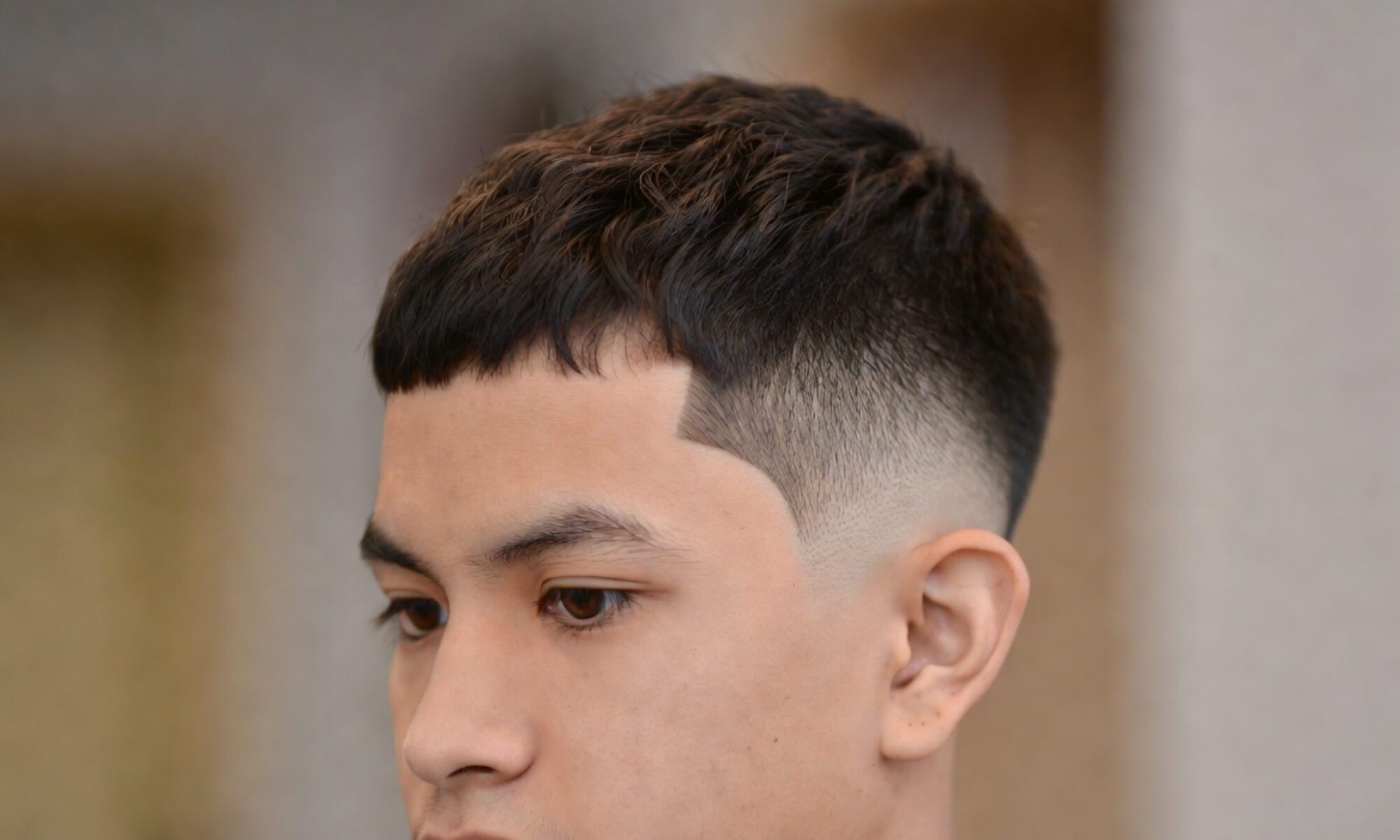
The low taper fade is one of the most stylish and versatile haircuts for men today. It offers a clean, sharp look while keeping things subtle and professional.
Unlike high or mid fades, a low taper fade starts just above the ears and gradually blends into longer hair on top, creating a smooth and natural finish. This makes it a great choice for men who want a modern haircut without going too bold.
What truly sets the low taper fade apart is its flexibility. It works well with straight, wavy, curly, and textured hair, and it suits almost every face shape.
Whether you prefer a classic, polished style or a relaxed, everyday look, this haircut adapts easily. From office settings to casual outings, the low taper fade delivers a fresh appearance that never feels overdone.
In this guide, you’ll learn everything you need to know from styles and maintenance to how to ask your barber for the perfect low taper fade.
Read More: What Does DTF Mean?
What Is a Low Taper Fade?
A low taper fade is a haircut where the hair gradually shortens near the ears and neckline, starting very low and blending smoothly into longer hair on top. Instead of a dramatic fade, this style focuses on a soft, clean transition, making it look natural and well-groomed. The taper usually affects only the sides and back, while the top remains customizable based on your preference.
Unlike a full fade that can expose a lot of skin, a low taper fade keeps things subtle. The hair near the edges is trimmed short, but not shaved completely, which gives the haircut a refined and professional appearance. This is why it’s popular among men who want a sharp look without going extreme.
The low taper fade works across different hair textures and styles. You can pair it with curls, waves, a side part, or even a textured top. Its clean finish and versatility make it a timeless choice for everyday wear.
Low Taper Fade vs Other Fade Haircuts
The low taper fade is often compared to other popular fade styles, but the differences matter. Understanding these can help you choose the right haircut for your look and lifestyle.
A low fade removes more hair on the sides and back and usually blends into the skin. In contrast, a low taper fade keeps more length and focuses on a soft, natural transition near the ears and neckline.
A mid fade starts higher on the head, creating a sharper and more noticeable contrast. This gives a bolder style, while the low taper fade stays subtle and clean.
A high fade begins near the temples and exposes much more skin, making it edgy and attention-grabbing. The low taper fade is far more professional and understated.
Compared to a skin taper, which fades completely into bare skin, the low taper fade leaves some hair for a smoother, more balanced finish. This makes it ideal for everyday wear and formal settings alike.
Types of Low Taper Fade Styles
The low taper fade comes in several variations, making it easy to match different personalities and hair preferences. Each style keeps the fade low and clean while changing the look on top.
The classic low taper fade is simple and timeless. It features neat sides, a natural blend, and a clean neckline perfect for professional and everyday wear.
A low taper fade with textured top adds movement and volume. This style works great for modern, casual looks and pairs well with matte styling products.
For men with curls, the low taper fade with curly hair keeps the sides sharp while letting curls stand out on top. It creates a balanced and stylish contrast.
A low taper fade with waves is popular for a polished yet relaxed appearance. The taper enhances wave definition without overpowering them.
You can also choose a low taper fade with a side part for a clean, classic finish or combine it with a beard for a bold, masculine look. Each variation keeps the haircut fresh and versatile.
Low Taper Fade for Different Hair Types
One of the reasons the low taper fade is so popular is its versatility it works with almost every hair type. Understanding how it adapts to your hair can help you get the best results.
Straight Hair: The fade blends smoothly into straight hair, creating a sleek, polished look. It works well with both short and longer tops.
Wavy Hair: The natural waves add texture and volume, giving the fade a modern, stylish finish. A bit of styling product can enhance the waves.
Curly Hair: The low taper fade keeps curls defined while trimming the sides neatly. This style highlights your natural curls without looking messy.
Coily / Afro Hair: The fade softens the edges and defines the shape, allowing the top to maintain volume and texture.
Thick Hair: A low taper fade removes bulk from the sides while keeping a balanced shape on top.
Thin Hair: It creates the illusion of fuller hair by keeping length on top and gradually blending the sides.
No matter your hair type, the low taper fade adapts easily, giving a clean and stylish look every time.
Low Taper Fade for Different Face Shapes
The low taper fade isn’t just about hair it’s also about complementing your face shape. Choosing the right fade can enhance your features and create a balanced, stylish look.
Round Face: Keep some volume on top to elongate the face while letting the fade stay low and subtle. This adds structure without widening your face.
Oval Face: Almost any low taper fade works well with this shape. A classic or textured top enhances your natural symmetry.
Square Face: A low taper fade with a bit of height on top softens strong jawlines while keeping the sides neat and clean.
Diamond Face: A fade that blends softly into a fuller top balances the narrow chin and forehead, highlighting cheekbones nicely.
Long Face: Avoid too much height on top. A lower, textured fade keeps proportions even and prevents the face from looking longer.
By considering your face shape, a low taper fade can transform your haircut from ordinary to perfectly tailored.
How to Ask Your Barber for a Low Taper Fade
Getting the perfect low taper fade starts with clear communication. Knowing what to say (and what not to say) can make all the difference.
Use Clear Terms: Ask specifically for a “low taper fade” rather than just “fade” or “taper.” Mention if you want it blended into a textured, curly, or straight top.
Specify the Top Length: Decide how long you want the hair on top. This ensures the fade complements your preferred style.
Edge & Neckline Preferences: Mention whether you want a natural, rounded, or sharp neckline. Some barbers also offer a slight skin taper near the ears.
Show a Reference Photo: Pictures speak louder than words. Bring a clear photo of the fade you like it helps the barber understand exactly what you want.
Avoid Vague Instructions: Phrases like “just fade it” or “make it look nice” can lead to unpredictable results. Clear guidance ensures the fade comes out exactly how you envisioned it.
How a Low Taper Fade Is Done (Step-by-Step)
Getting a low taper fade involves precision, skill, and the right tools. Here’s a breakdown of the process your barber typically follows:
Hair Prep and Sectioning: Hair is washed or dampened, then combed to separate the top from the sides and back. This makes blending easier.
Starting the Fade: Clippers with a low guard are used near the ears and neckline, gradually moving upward to blend into longer hair on top. The key is a smooth transition without harsh lines.
Blending the Sides: Barbers use clipper-over-comb or fading techniques to ensure the taper is even and seamless. Adjusting guard sizes helps create a natural gradient.
Trimming the Top: Depending on your style, the top may be cut with scissors, clippers, or left longer for styling.
Edge-Up and Neckline: A trimmer is used to clean the hairline around the ears, temples, and neckline for a polished finish.
Final Touches: Any stray hairs are removed, and the barber may style the top with product for the perfect look.
Styling a Low Taper Fade
A low taper fade isn’t just about the cut it’s also about how you style it. With the right products and techniques, you can keep your fade looking sharp every day.
Choose the Right Product:
Pomade for a shiny, slick finish
Wax or clay for texture and matte looks
Gel for strong hold, especially on thick or curly hair
Everyday Styling Tips:
Apply a small amount of product to damp or dry hair
Use fingers or a comb to shape the top
Keep the sides clean and natural, letting the taper stand out
Professional vs Casual Looks:
For the office, go with a sleek, combed-over style
For casual outings, add texture or tousle the top for a relaxed vibe
Wet vs Matte Finish:
Wet look gives a polished, formal appearance
Matte finish is subtle and modern, perfect for everyday wear
Styling a low taper fade is simple, but consistent care keeps it looking fresh and sharp for weeks.
Low Taper Fade with Beard
Pairing a low taper fade with a beard can elevate your overall style, creating a balanced and masculine look. The key is blending the fade smoothly into your facial hair.
Beard Fade: Keep the sides of the beard slightly tapered to match the fade on your head. This creates a seamless transition from hair to facial hair.
Length and Shape: Decide whether you want a short, medium, or long beard. The taper can be adjusted to complement the beard’s length and thickness.
Sharp vs Natural Lines:
A sharp line around the beard and neckline gives a polished, clean look
A natural, rounded fade provides a softer, everyday appearance
Maintenance: Trim your beard regularly and use beard oil or balm to keep it healthy. A well-groomed beard paired with a low taper fade can make even a simple haircut stand out.
This combination works well for professional, casual, and formal styles.
Maintenance and Hair Care Tips for a Low Taper Fade
A low taper fade looks best when it’s well-maintained. Regular care ensures the fade stays sharp and your hair healthy.
Regular Trims:
Visit your barber every 2–3 weeks to keep the fade clean and edges sharp.
Trim the top as needed to maintain your preferred length and style.
Washing and Conditioning:
Use a gentle shampoo 2–3 times a week to avoid stripping natural oils.
Condition regularly to keep hair soft, especially if you have thick or curly hair.
Keeping the Fade Clean at Home:
Use a small trimmer for minor touch-ups around the ears and neckline.
Comb daily to maintain the shape and reduce tangles.
Night Care Tips:
Sleep on a satin or silk pillowcase to prevent frizz and maintain the fade.
Lightly style the top before bed if needed, so it stays neat in the morning.
Consistent care keeps your low taper fade looking fresh, stylish, and professional at all times.
Common Mistakes to Avoid with a Low Taper Fade
Even a simple haircut like the low taper fade can look off if certain mistakes are made. Avoid these to keep your fade looking sharp and balanced:
Going Too High:
A low taper fade should stay subtle near the ears and neckline. Raising it too high can make it resemble a mid or high fade, changing the intended look.
Poor Blending:
Harsh lines or uneven fading ruin the smooth transition that defines a low taper fade. Always ensure gradual blending from short to long hair.
Ignoring Top Length:
The fade works best when the top complements the sides. Cutting the top too short or leaving it too long can throw off proportions.
Neglecting Face Shape:
A fade that doesn’t match your face shape can make features look unbalanced. Adjust the height and volume of the top accordingly.
Skipping Maintenance:
Without regular trims, the fade loses its sharpness quickly. Maintain edges and neckline to keep it looking fresh.
Avoiding these mistakes ensures your low taper fade stays polished and stylish.
Low Taper Fade for Work, School, and Events
The low taper fade is versatile enough to suit different settings, making it a favorite for men of all ages. Its clean and subtle look fits professional, casual, and formal occasions.
Office-Friendly Looks:
Keep the top neat and combed over for a polished, professional appearance.
The low taper fade ensures the haircut looks sharp without being too bold.
Casual Everyday Style:
Tousle or add texture to the top for a relaxed vibe.
A matte finish works best for a natural, effortless look.
Weddings and Formal Events:
Pair the fade with a sleek, styled top for a sophisticated appearance.
Edge-up and clean beard blending can make your overall look more elegant.
School-Appropriate Grooming:
The low taper fade keeps hair tidy while still stylish, meeting school dress codes.
Short sides and manageable top make daily maintenance simple.
Thanks to its adaptability, the low taper fade is ideal whether you’re heading to work, school, or a special event.
Low Taper Fade Inspiration & Trends
The low taper fade has become a timeless haircut, loved by celebrities, athletes, and style enthusiasts alike. It’s a versatile look that can be modern, classic, or edgy depending on how you style it.
Celebrity Low Taper Fades:
Many actors, musicians, and athletes wear low taper fades, making it a go-to choice for a trendy and stylish look.
Celebrities often pair it with textured tops, side parts, or facial hair to elevate their style.
Modern vs Classic Trends:
Classic low taper fades stick to clean, sharp sides with minimal styling on top.
Modern variations incorporate texture, volume, or even designs shaved into the fade for a more creative appearance.
Social Media Influence:
Platforms like Instagram and TikTok have made low taper fades even more popular, inspiring new variations and styling ideas.
Hairstylists often share tutorials and transformations that highlight how versatile this fade can be.
Whether you prefer a timeless or trend-forward look, the low taper fade offers endless inspiration for your next haircut.
Pros and Cons of a Low Taper Fade
Like any haircut, the low taper fade has its advantages and minor drawbacks. Knowing them can help you decide if it’s the right style for you.
Pros
Clean and Versatile: Works well for professional, casual, and formal settings.
Low-Maintenance Top: While the fade needs regular trimming, the top can be styled in multiple ways.
Suitable for Most Hair Types: Straight, wavy, curly, or coily hair all adapt well to this fade.
Timeless Style: The subtle fade keeps your haircut looking modern without being over-the-top.
Cons
- Requires Regular Touch-Ups: To keep the fade sharp, visits to the barber every 2–3 weeks are recommended.
- Not Ideal for Extreme Styles: If you want a very high or skin fade, the low taper fade may feel too subtle.
- Minor Styling Required on Top: Depending on your hair type, you may need product to maintain the look.
Overall, the low taper fade is a practical, stylish choice that balances versatility with a polished appearance.
FAQs About Low Taper Fade
Here are some of the most common questions about the low taper fade to help you understand this haircut better:
How long does a low taper fade last?
Typically, a low taper fade stays sharp for 2–3 weeks. Regular trims are needed to maintain the clean edges.
Is a low taper fade professional?
Yes! Its subtle, clean look makes it perfect for office environments, formal events, and professional settings.
Can I do a low taper fade at home?
While possible, achieving a perfect low taper fade requires skill. Visiting a professional barber is recommended for best results.
Does it work with receding hairlines?
Absolutely. A low taper fade can be adjusted to complement hairlines and create a natural, balanced look.
What products work best for styling?
Pomade, wax, clay, or gel can be used depending on your desired finish shiny, matte, or textured.
Can I pair it with a beard?
Yes, a well-groomed beard blended with a low taper fade enhances facial features and adds a masculine touch.
Final Thoughts
The low taper fade is more than just a haircut, it’s a versatile style that suits almost every man, hair type, and occasion.
Its clean, subtle fade near the ears and neckline creates a polished, professional look while allowing creativity on top.
Whether you prefer a classic, textured, curly, or wavy style, the low taper fade adapts effortlessly.
Pairing it with a beard, side part, or textured top can elevate your style even further, making it perfect for work, school, casual outings, or formal events.
With proper maintenance, regular trims, and the right styling products, this fade stays sharp and fresh, keeping you looking your best all week long.
If you’re looking for a timeless haircut that balances modern trends with effortless elegance, the low taper fade is a safe and stylish choice.
Talk to your barber, choose your preferred top style, and get ready to rock a clean, sharp look that never goes out of style.

David is the creative mind behind jokes Crafter, a hub for clever jokes, witty wordplay, and laugh-out-loud content. With a passion for humor and a knack for crafting the perfect punchline, David brings smiles to readers across the globe. When he's not writing, he's probably thinking up his next viral joke or enjoying a good comedy show.
- David

- David
- David
- David
- David
- David
- David
- David
- David
- David