Machine learning is a fascinating part of technology that is changing the world. It allows computers to learn from data and make decisions without being explicitly programmed. From recommending movies on Netflix to detecting spam emails, machine learning is everywhere. For beginners, it might sound complicated, but it can be understood step by step. In this article, we will explain the basics of machine learning in a simple and friendly way. You will learn what it is, how it works, different types, and how you can start exploring it yourself.
What is Machine Learning?
Machine learning is a way for computers to learn from experience. Just like humans learn from practice, computers learn from data. Instead of writing step-by-step instructions, we give a computer data, and it finds patterns. For example, if you show a computer many pictures of cats and dogs, it can learn to tell the difference.
Machine learning is not magic. It is a mix of data, math, and algorithms. Algorithms are like recipes that help the computer learn. The more good data you give, the better the computer can learn. This makes machine learning useful in many areas like healthcare, finance, transportation, and entertainment.
How Machine Learning Works
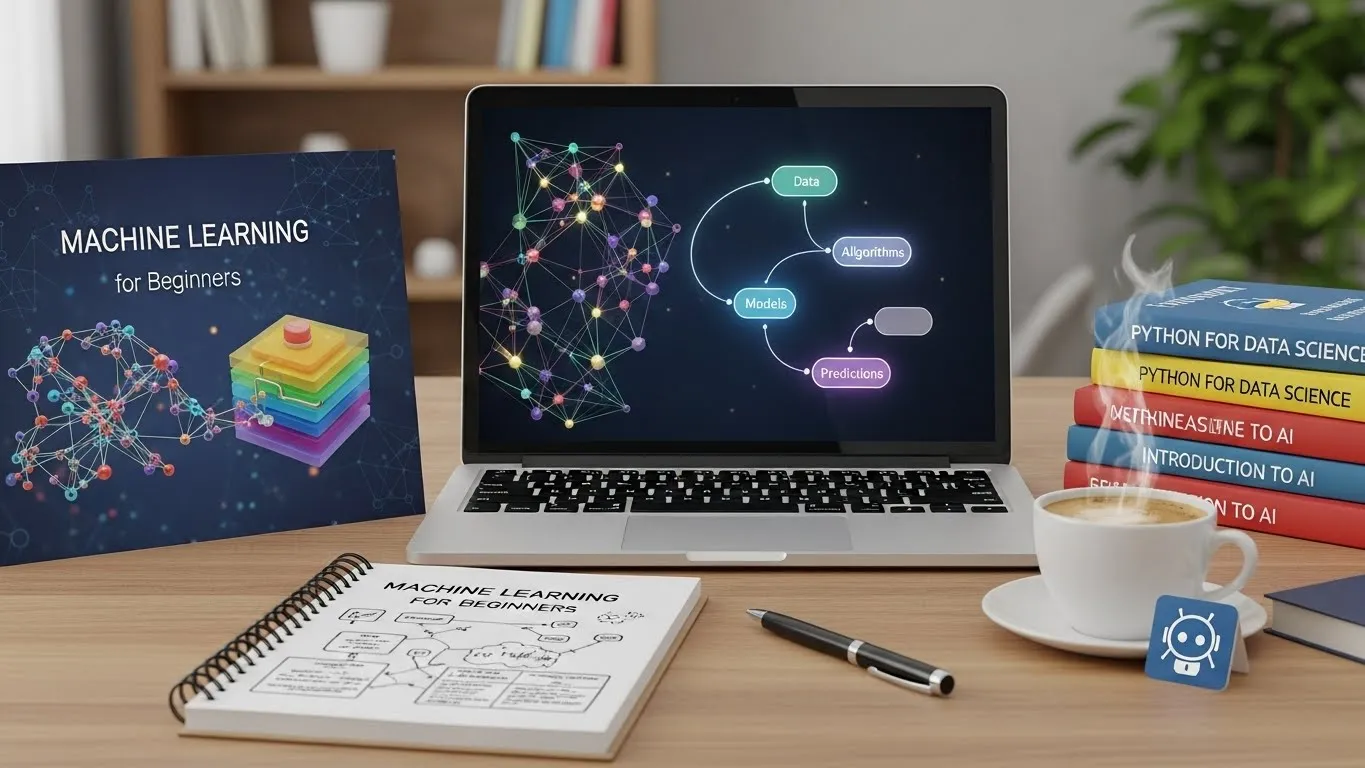
Machine learning works in a few simple steps. First, we collect data. This could be numbers, text, images, or sounds. Next, we clean the data. This means removing mistakes and making it ready to use. Then, we choose a model. A model is a program that learns from data.
After that, we train the model. Training means showing the data to the model so it can find patterns. Once the model learns, we test it. Testing checks if the model can make good predictions or decisions. If it works well, we can use it in real life.
Think of it like teaching a child. You show examples, they practice, and eventually, they get better at the task. Machine learning is similar but uses computers instead of children.
Types of Machine Learning
There are three main types of machine learning.
1. Supervised Learning
In supervised learning, the computer learns from labeled data. Labeled data means each example has an answer. For example, if you have a list of emails marked as “spam” or “not spam,” the computer can learn to classify new emails. This type is very common and used in tasks like predicting prices, recognizing images, and translating languages.
2. Unsupervised Learning
Unsupervised learning uses data without labels. The computer looks for patterns on its own. For example, it can group customers with similar buying habits or detect unusual activities in bank transactions. This type is useful when you do not know the answers in advance.
3. Reinforcement Learning
In reinforcement learning, the computer learns by trying actions and receiving feedback. It is like playing a game. If it does something good, it gets a reward; if it does something wrong, it gets a penalty. This method is used in robotics, self-driving cars, and game-playing AI.
Applications of Machine Learning
Machine learning is everywhere, even if you do not notice it. Here are some common examples:
Healthcare: Doctors use machine learning to predict diseases and recommend treatments.
Finance: Banks detect fraud and predict stock prices using machine learning.
Entertainment: Streaming platforms suggest movies and songs based on your preferences.
Retail: Online stores recommend products based on your shopping history.
Transportation: Self-driving cars and route apps use machine learning to improve safety and efficiency.
Machine learning helps make smart decisions faster and more accurately. It can process huge amounts of data that humans cannot handle.
How to Start Learning Machine Learning
Starting with machine learning can be simple. Here are a few steps:
Learn Basic Python: Python is the most popular language for machine learning. It is easy to learn and has many helpful libraries.
Understand Math Basics: Some basic knowledge of statistics, algebra, and probability helps. You do not need to be an expert, just familiar with simple concepts.
Try Online Tutorials: Websites like Kaggle, Coursera, and YouTube have beginner-friendly tutorials and projects.
Work on Small Projects: Start with simple tasks like predicting house prices, classifying images, or analyzing text. This builds confidence.
Practice Regularly: Machine learning improves with practice. The more you experiment, the better you understand it.
Remember, it is okay to make mistakes. Every error is a chance to learn something new.
Tips for Beginners
Here are some tips to make your machine learning journey easier:
Start Small: Focus on one topic at a time, like supervised learning or image classification.
Use Free Resources: There are many free courses, datasets, and tools online.
Join a Community: Communities like Stack Overflow, Reddit, and GitHub can help you solve problems and learn from others.
Be Patient: Learning machine learning takes time. Progress is more important than speed.
Have Fun: Experimenting and building projects can be enjoyable. Pick topics you are curious about.
Learning machine learning is like learning a new language. At first, it feels strange, but with practice, it becomes easier and more exciting.
Conclusion
Machine learning is a powerful tool that allows computers to learn from data and make intelligent decisions. It is used in many areas like healthcare, finance, entertainment, and transportation. Beginners can start by understanding the basics, learning Python, and trying small projects. There are three main types of machine learning: supervised, unsupervised, and reinforcement learning. With patience, practice, and curiosity, anyone can begin their journey into machine learning. Remember, every step you take brings you closer to understanding this amazing field and using it to solve real-world problems.

David is the creative mind behind jokes Crafter, a hub for clever jokes, witty wordplay, and laugh-out-loud content. With a passion for humor and a knack for crafting the perfect punchline, David brings smiles to readers across the globe. When he's not writing, he's probably thinking up his next viral joke or enjoying a good comedy show.
- David

- David
- David
- David
- David
- David
- David
- David
- David
- David