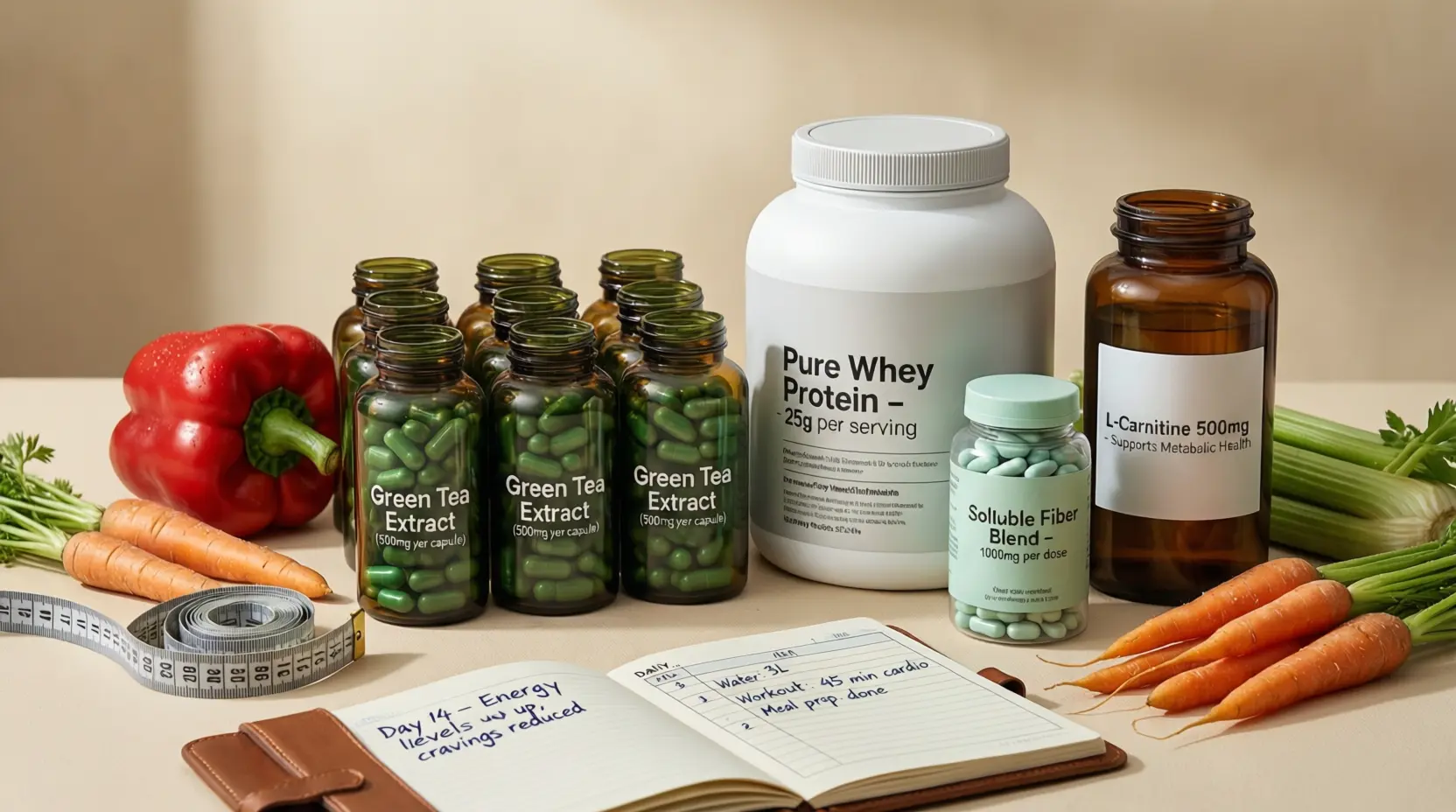
Losing weight can feel overwhelming, especially with so many products promising fast and effortless results. From fat-burning pills to appetite suppressants, weight loss supplements are everywhere but do they really work? The truth is, no supplement can replace a healthy diet and regular exercise. However, the best supplements for weight loss can support your efforts by boosting metabolism, controlling hunger, increasing energy, and helping preserve muscle during fat loss.
In this complete guide, we break down science-backed weight loss supplements that actually show results when used correctly. You’ll learn how these supplements work, which ingredients are worth your money, and which products are simply overhyped. We’ll also cover safety concerns, proper usage, and who should or shouldn’t use them. If you’re looking for an honest, realistic approach to weight loss without false promises this guide will help you make informed, confident decisions on your journey to a healthier body.
How Weight Loss Supplements Actually Work
Weight loss supplements are designed to support the body’s natural fat-loss processes, not replace healthy habits. Understanding how they work helps set realistic expectations and prevents disappointment. Most weight loss supplements function through one or more of the following mechanisms.
The first and most common method is thermogenesis, which increases the body’s calorie-burning ability. Ingredients like caffeine and green tea extract slightly raise metabolic rate, helping the body burn more calories throughout the day. This process can enhance fat loss, especially when combined with exercise.
Another key mechanism is appetite suppression. Fiber-based supplements such as glucomannan expand in the stomach, promoting feelings of fullness and reducing overall calorie intake. By controlling hunger and cravings, these supplements make it easier to maintain a calorie deficit.
Some supplements work by improving metabolism and energy levels. They help the body convert stored fat into usable energy, which can improve workout performance and daily activity. Increased energy often leads to higher physical activity, indirectly supporting weight loss.
Additionally, certain supplements help with blood sugar regulation. Stable blood sugar levels reduce cravings, prevent energy crashes, and limit fat storage caused by insulin spikes.
Finally, protein supplements support muscle preservation during weight loss. Maintaining muscle mass keeps metabolism higher and improves overall body composition.
While supplements can enhance results, they work best alongside proper nutrition, regular exercise, adequate sleep, and consistency.
Are Weight Loss Supplements Safe? (Important Read)
Safety is one of the biggest concerns when it comes to weight loss supplements, and for good reason. While many supplements use natural ingredients, “natural” does not always mean completely safe for everyone. Understanding potential risks is essential before adding any supplement to your routine.
Unlike prescription medications, dietary supplements are not strictly regulated by the FDA before hitting the market. This means product quality, ingredient dosages, and effectiveness can vary widely. Some supplements may contain stimulants that increase heart rate or blood pressure, which can be risky for individuals with heart conditions, anxiety disorders, or high blood pressure.
Certain fat burners can also cause side effects such as nausea, headaches, digestive discomfort, insomnia, or jitters especially when taken in high doses. Mixing multiple supplements or combining them with excessive caffeine from coffee or energy drinks can further increase these risks.
Weight loss supplements are not recommended for pregnant or breastfeeding women, teenagers, or people with underlying medical conditions unless approved by a healthcare professional. Consulting a doctor is especially important if you are taking medications, as some supplements may interact negatively.
To stay safe, always choose products from reputable brands, read ingredient labels carefully, and avoid supplements that promise rapid or extreme weight loss. If a product sounds too good to be true, it probably is.
When used responsibly and paired with a healthy lifestyle, quality supplements can be safe and beneficial but safety should always come first.
Green Tea Extract
Green tea extract is one of the most researched and widely used natural supplements for weight loss. It contains powerful antioxidants called catechins, particularly EGCG (epigallocatechin gallate), which play a key role in fat metabolism. These compounds help the body break down stored fat and use it as energy, especially during physical activity.
One of the main benefits of green tea extract is its ability to support thermogenesis, the process by which the body burns calories to produce heat. When combined with moderate caffeine content, green tea extract can slightly increase metabolic rate, helping burn more calories throughout the day without extreme stimulation.
Green tea extract is also known for supporting overall health. It may help improve insulin sensitivity, reduce inflammation, and support heart health making it a popular option for people looking for sustainable, long-term weight loss support rather than quick fixes.
The typical recommended dosage ranges from 300–500 mg per day, often standardized for EGCG content. It is best taken earlier in the day or before workouts to maximize fat-burning benefits. Taking it with food can help reduce the chance of stomach discomfort.
Side effects are usually mild but may include nausea or headaches in sensitive individuals, especially at higher doses. People with caffeine sensitivity should choose low-caffeine versions.
Overall, green tea extract is a safe, beginner-friendly supplement that works best when combined with a healthy diet and regular exercise.
Caffeine
Caffeine is one of the most effective and well-researched ingredients used in weight loss supplements. It works primarily by stimulating the central nervous system, which increases energy levels, alertness, and overall calorie burning. Because of these effects, caffeine is a common component in fat burners and pre-workout supplements.
One of caffeine’s biggest benefits for weight loss is its ability to enhance thermogenesis. It raises metabolic rate and helps the body release stored fat into the bloodstream, where it can be used as energy. This makes caffeine especially effective when taken before exercise, as it can improve endurance, strength, and workout performance.
Caffeine also helps reduce perceived fatigue, allowing you to stay more active throughout the day. Higher daily activity levels naturally lead to greater calorie expenditure, supporting fat loss over time. Additionally, caffeine may slightly suppress appetite in some individuals, although this effect is usually temporary.
Natural sources of caffeine include coffee, green tea, guarana, and yerba mate, while synthetic caffeine is often added to supplements for precise dosing. The typical effective dosage ranges from 100–400 mg per day, depending on tolerance.
However, excessive caffeine intake can cause side effects such as jitteriness, anxiety, rapid heartbeat, digestive issues, and insomnia. People sensitive to stimulants or with heart conditions should use caffeine cautiously or avoid it altogether.
When used responsibly, caffeine can be a powerful and affordable tool for supporting weight loss.
Protein Supplements
Protein supplements play a crucial role in weight loss by helping control appetite, preserve lean muscle mass, and support a healthy metabolism. Unlike stimulant-based fat burners, protein works in a more natural and sustainable way, making it one of the safest supplements for long-term fat loss.
One of protein’s biggest advantages is its effect on satiety. High-protein intake helps you feel full for longer periods, reducing hunger and unnecessary snacking. This makes it easier to maintain a calorie deficit without feeling deprived. Protein also has a higher thermic effect than carbohydrates or fats, meaning the body burns more calories digesting it.
During weight loss, the body can lose both fat and muscle. Protein supplements help protect lean muscle mass, which is important for maintaining strength, energy, and metabolic rate. A higher muscle mass allows the body to burn more calories even at rest, supporting long-term weight management.
Common types of protein supplements include whey protein, casein protein, and plant-based proteins such as pea or soy. Whey protein is quickly absorbed and ideal post-workout, while casein digests slowly and is often used before bedtime. Plant-based proteins are excellent options for vegetarians and those with dairy sensitivities.
Most people benefit from 20–30 grams of protein per serving, taken once or twice daily depending on dietary needs. Protein shakes can replace high-calorie meals or be used as snacks to support fat loss.
Overall, protein supplements are highly effective when combined with balanced nutrition and regular exercise.
Glucomannan (Fiber Supplement)
Glucomannan is a natural, water-soluble fiber derived from the root of the konjac plant and is widely used as an appetite suppressant for weight loss. Its primary function is to absorb water and expand in the stomach, creating a feeling of fullness that helps reduce overall calorie intake.
One of the biggest advantages of glucomannan is its ability to support portion control. By slowing digestion and promoting satiety, it can help curb cravings and prevent overeating, especially for individuals who struggle with hunger between meals. This makes it particularly effective for those following calorie-restricted diets.
In addition to appetite control, glucomannan may help improve digestive health and regulate blood sugar levels. Stable blood sugar reduces sudden hunger spikes and energy crashes, which are common triggers for unhealthy snacking. Some studies also suggest that fiber supplements like glucomannan may support cholesterol management and gut health.
The typical recommended dosage is 1–3 grams per day, taken in divided doses before meals with plenty of water. Proper hydration is essential, as taking glucomannan without enough liquid can cause digestive discomfort or choking risk.
Side effects are generally mild and may include bloating, gas, or stomach cramps during the initial adjustment period. People with digestive disorders or difficulty swallowing should consult a healthcare professional before use.
Overall, glucomannan is a safe, non-stimulant supplement that supports weight loss by naturally reducing appetite and improving dietary adherence.
CLA (Conjugated Linoleic Acid)
CLA, or conjugated linoleic acid, is a naturally occurring fatty acid found in meat and dairy products. It is commonly marketed as a fat loss and body recomposition supplement, particularly for people looking to reduce body fat while maintaining lean muscle.
CLA works differently from stimulant-based fat burners. Instead of increasing metabolism, it may influence how the body stores and uses fat. Research suggests CLA can help reduce fat accumulation in fat cells while encouraging the body to use fat for energy. This makes it more suitable for slow, gradual fat loss rather than rapid weight reduction.
One of the key benefits of CLA is its potential role in muscle preservation. Maintaining lean muscle during weight loss is important for keeping metabolism active and improving overall body composition. For this reason, CLA is often used by people who are exercising regularly, especially those doing resistance training.
The typical recommended dosage ranges from 3–6 grams per day, usually taken with meals. Results from CLA tend to appear gradually over several weeks or months, making consistency important.
However, CLA is not without drawbacks. Some users experience digestive side effects such as bloating, diarrhea, or stomach discomfort. There is also mixed scientific evidence regarding its effectiveness, with some studies showing modest benefits and others showing minimal impact.
CLA may be helpful for individuals focused on body composition rather than quick weight loss, but it should be used alongside proper nutrition and exercise for best results.
L-Carnitine
L-Carnitine is a naturally occurring compound that plays an important role in fat metabolism and energy production. It helps transport fatty acids into the mitochondria, where fat is burned for energy. Because of this function, L-Carnitine is commonly promoted as a supplement to support fat loss and exercise performance.
While L-Carnitine does not directly burn fat on its own, it can improve the body’s ability to use fat as fuel especially during workouts. This makes it particularly beneficial for individuals who exercise regularly and want to enhance endurance, reduce fatigue, and recover more efficiently.
There are several forms of L-Carnitine, including L-Carnitine L-Tartrate, Acetyl-L-Carnitine, and Propionyl-L-Carnitine. L-Carnitine L-Tartrate is the most popular for weight loss and fitness due to its fast absorption and performance benefits.
The typical recommended dosage ranges from 500–2,000 mg per day, often taken before workouts or in divided doses throughout the day. It works best when combined with a balanced diet and physical activity rather than as a standalone supplement.
Side effects are generally mild and may include nausea, stomach cramps, or a fishy body odor in rare cases. Individuals with thyroid conditions or those taking certain medications should consult a healthcare professional before using L-Carnitine.
Overall, L-Carnitine is a supportive supplement that enhances fat utilization and energy, making it a useful addition for active individuals focused on sustainable weight loss.
Garcinia Cambogia
Garcinia cambogia is a tropical fruit extract that gained popularity as a weight loss supplement due to its active compound, hydroxycitric acid (HCA). It is commonly marketed as an appetite suppressant and fat-blocking ingredient, but its effectiveness remains a topic of debate.
HCA is believed to work by inhibiting an enzyme involved in fat production and by increasing serotonin levels, which may help reduce appetite and emotional eating. In theory, this could support calorie control and reduce fat storage. However, scientific studies on garcinia cambogia have produced mixed results, with many showing minimal or no significant weight loss benefits.
Some users report reduced appetite when using garcinia cambogia, but these effects are often mild and inconsistent. Compared to other supplements like fiber or protein, its appetite-suppressing abilities are less reliable.
Safety is another concern. While garcinia cambogia is generally well tolerated at low doses, there have been reports of digestive discomfort, headaches, dizziness, and in rare cases, liver-related issues especially when combined with other supplements or stimulants. Because of this, caution is strongly advised.
Typical dosages range from 500–1,500 mg per day, usually taken before meals. It is not recommended for pregnant women, individuals with liver conditions, or those taking antidepressants without medical supervision.
Overall, garcinia cambogia is not a top-tier weight loss supplement. It may offer minor appetite control for some people, but safer and more effective options are available.
Best Natural Supplements for Weight Loss
Natural weight loss supplements are often preferred by people who want safer, gentler support without harsh stimulants or synthetic chemicals. While natural does not always mean risk-free, these supplements generally focus on appetite control, metabolism support, and overall wellness.
One of the most effective natural options is green tea extract, which supports fat burning through antioxidants and mild thermogenic effects. Its combination of catechins and caffeine makes it ideal for boosting metabolism without overstimulation. Fiber supplements, such as glucomannan and psyllium husk, are also highly effective natural tools. They help reduce hunger, improve digestion, and make it easier to stick to a calorie-controlled diet.
Protein supplements are another natural and powerful option for weight loss. Derived from milk, plants, or eggs, protein helps regulate appetite hormones, preserve lean muscle, and increase calorie burn during digestion. Protein shakes can be used as meal replacements or snacks to reduce overall calorie intake.
Some herbal ingredients like capsaicin (from chili peppers) and ginger extract may slightly increase calorie burning and support digestion. While their effects are modest, they can contribute to weight loss when combined with healthy habits.
Natural supplements work best when expectations are realistic. They support the weight loss process rather than forcing rapid results. People with caffeine sensitivity, digestive issues, or underlying health conditions should still read labels carefully and consult a healthcare professional if needed.
When paired with proper nutrition, exercise, sleep, and hydration, natural weight loss supplements can be a safe and effective addition to a sustainable fat loss plan.
Supplements for Specific Weight Loss Goals
Not all weight loss supplements work the same for everyone. Choosing the right supplement depends on individual goals, body composition, lifestyle, and metabolism. Understanding which supplements align with specific objectives can improve results and reduce unnecessary risks.
For those targeting belly fat, supplements that help regulate blood sugar and stress hormones are more effective than aggressive fat burners. Fiber supplements, protein, and green tea extract can support gradual fat loss by reducing cravings and stabilizing energy levels. While no supplement can spot-reduce fat, these options support overall fat loss, including the abdominal area.
When it comes to weight loss for women, hormonal balance and appetite control are key considerations. Protein supplements, fiber, and mild metabolism boosters such as green tea extract are generally safer and better tolerated. Women sensitive to stimulants may benefit from non-caffeine-based supplements to avoid anxiety or sleep issues.
For men, maintaining muscle mass while losing fat is often a priority. Protein supplements, caffeine (in moderate amounts), and L-Carnitine can support energy, strength, and fat utilization during workouts. Resistance training combined with these supplements often yields the best results.
Beginners should focus on low-risk supplements that support dietary adherence rather than aggressive fat burners. Protein powder, fiber supplements, and green tea extract are ideal starting points. These supplements help build consistency without overwhelming the body.
Ultimately, the best supplement strategy is personalized. Supplements work best when combined with proper nutrition, regular exercise, and realistic expectations.
How to Use Weight Loss Supplements Correctly
Using weight loss supplements correctly is essential for maximizing benefits while minimizing side effects. Many people fail to see results not because supplements don’t work, but because they are used improperly or inconsistently.
The first rule is to follow recommended dosages. Taking more than instructed will not speed up weight loss and can increase the risk of side effects such as digestive issues, anxiety, or sleep disturbances. Always read product labels carefully and avoid stacking multiple supplements with similar ingredients, especially stimulants.
Timing also matters. Thermogenic supplements like caffeine or green tea extract are best taken earlier in the day or before workouts to boost energy and calorie burn. Fiber-based supplements should be taken before meals with plenty of water to support appetite control. Protein supplements can be consumed as meal replacements, snacks, or post-workout to preserve muscle mass.
Another important factor is consistency. Supplements work gradually, not overnight. Skipping doses or frequently changing products can disrupt progress. It’s also helpful to cycle certain supplements, such as stimulants, to prevent tolerance buildup.
Avoid using supplements as a substitute for proper nutrition. A balanced diet rich in protein, fiber, and whole foods enhances the effectiveness of any supplement. Staying hydrated, sleeping well, and managing stress also play critical roles in fat loss.
Finally, listen to your body. If you experience negative side effects, stop use immediately and consult a healthcare professional. Responsible use leads to safer and more sustainable weight loss results.
Supplements That Do NOT Work
The weight loss industry is filled with products that promise rapid, effortless fat loss, but many of these supplements are ineffective or misleading. Understanding which supplements do not work can save time, money, and frustration.
One common category includes “miracle” weight loss pills that claim to burn fat without diet or exercise. These products often rely on weak ingredients, underdosed formulas, or exaggerated marketing claims rather than scientific evidence. If a supplement promises extreme weight loss in days or weeks, it should be approached with caution.
Another ineffective option is detox teas and cleansing products. While they may cause temporary water weight loss due to their laxative or diuretic effects, they do not lead to real fat loss. In some cases, frequent use can cause dehydration, electrolyte imbalances, and digestive issues.
Hormone-boosting supplements marketed for fat loss often lack clinical support. Products claiming to “reset hormones” or “melt fat by balancing hormones” rarely deliver measurable results unless prescribed and supervised by a medical professional.
Some supplements also hide behind proprietary blends, which do not disclose exact ingredient dosages. This makes it difficult to assess effectiveness or safety. In many cases, key ingredients are included in amounts too small to produce any real benefit.
To avoid ineffective products, look for supplements with transparent labeling, evidence-based ingredients, and realistic claims. Sustainable weight loss comes from consistency, not shortcuts.
Diet & Lifestyle Tips to Maximize Supplement Results
Weight loss supplements are most effective when paired with the right diet and lifestyle habits. Without these foundations, even the best supplements will produce minimal results. Small, consistent changes can significantly enhance fat loss over time.
A calorie-controlled, protein-rich diet is essential. Protein helps preserve muscle, boosts metabolism, and keeps hunger under control. Incorporating whole foods such as lean meats, eggs, legumes, vegetables, and healthy fats supports overall health while promoting sustainable weight loss.
Hydration plays a key role in metabolism and appetite regulation. Drinking enough water helps fiber supplements work effectively, reduces cravings, and prevents mistaking thirst for hunger. Aim to stay hydrated throughout the day, especially when using fiber or thermogenic supplements.
Regular physical activity accelerates fat loss and improves body composition. A combination of strength training and cardiovascular exercise yields the best results. Strength training helps maintain muscle mass, while cardio increases calorie burn and heart health.
Sleep and stress management are often overlooked but critical factors. Poor sleep and chronic stress increase hunger hormones and promote fat storage, especially around the abdominal area. Getting adequate rest and practicing stress-reducing activities can improve supplement effectiveness.
Finally, consistency is key. Sustainable weight loss does not happen overnight. When supplements are combined with healthy habits, they become powerful tools that support long-term success rather than quick fixes.
Frequently Asked Questions (FAQ)
Do weight loss supplements really work?
Weight loss supplements can work, but only as support tools. They help boost metabolism, control appetite, or increase energy, but they cannot replace proper diet and exercise. Results vary depending on consistency, lifestyle, and individual metabolism.
How long does it take to see results from supplements?
Most people begin noticing small changes within 2–4 weeks when supplements are combined with a calorie-controlled diet and physical activity. Significant fat loss usually takes longer and depends on overall habits.
Are weight loss supplements safe for long-term use?
Some supplements, such as protein and fiber, are generally safe for long-term use. Stimulant-based supplements should be cycled to avoid tolerance and side effects. Always follow recommended dosages and consult a healthcare professional if unsure.
Can supplements replace diet and exercise?
No. Supplements enhance weight loss efforts but cannot replace healthy eating or physical activity. Sustainable fat loss requires a calorie deficit and consistent movement.
Is it okay to take multiple supplements together?
Yes, but stacking should be done carefully. Avoid combining multiple stimulants, and ensure ingredients do not overlap excessively. Simpler stacks are often more effective and safer.
Which supplement is best for beginners?
Protein supplements, fiber supplements, and green tea extract are ideal for beginners due to their safety, effectiveness, and ease of use.
Final Verdict: Are Weight Loss Supplements Worth It?
Weight loss supplements can be worth using but only when expectations are realistic and they are used as part of a healthy lifestyle. No supplement can replace proper nutrition, regular exercise, or long-term consistency. However, the best supplements for weight loss can provide meaningful support by improving energy levels, controlling appetite, boosting metabolism, and preserving lean muscle mass.
Supplements such as protein powder, fiber supplements, green tea extract, and moderate caffeine have strong evidence supporting their effectiveness and safety when used correctly. These options are especially helpful for beginners or individuals struggling with hunger, low energy, or adherence to a calorie-controlled diet.
On the other hand, products promising rapid or effortless weight loss should be avoided. Overhyped pills, detox teas, and poorly regulated blends often deliver little benefit and may pose health risks. Sustainable fat loss is a gradual process, not a shortcut.
The most successful approach is personalized. Choosing supplements based on your goals whether fat loss, appetite control, or muscle retention leads to better results. Combining supplements with balanced nutrition, adequate sleep, hydration, and regular physical activity maximizes their effectiveness.
In conclusion, weight loss supplements are tools, not solutions. When selected wisely and used responsibly, they can enhance fat loss efforts and support long-term success. The key is consistency, patience, and focusing on habits that promote lasting health rather than quick fixes.

David is the creative mind behind jokes Crafter, a hub for clever jokes, witty wordplay, and laugh-out-loud content. With a passion for humor and a knack for crafting the perfect punchline, David brings smiles to readers across the globe. When he's not writing, he's probably thinking up his next viral joke or enjoying a good comedy show.
- David

- David
- David
- David
- David
- David
- David
- David
- David
- David